Paro Tshechu
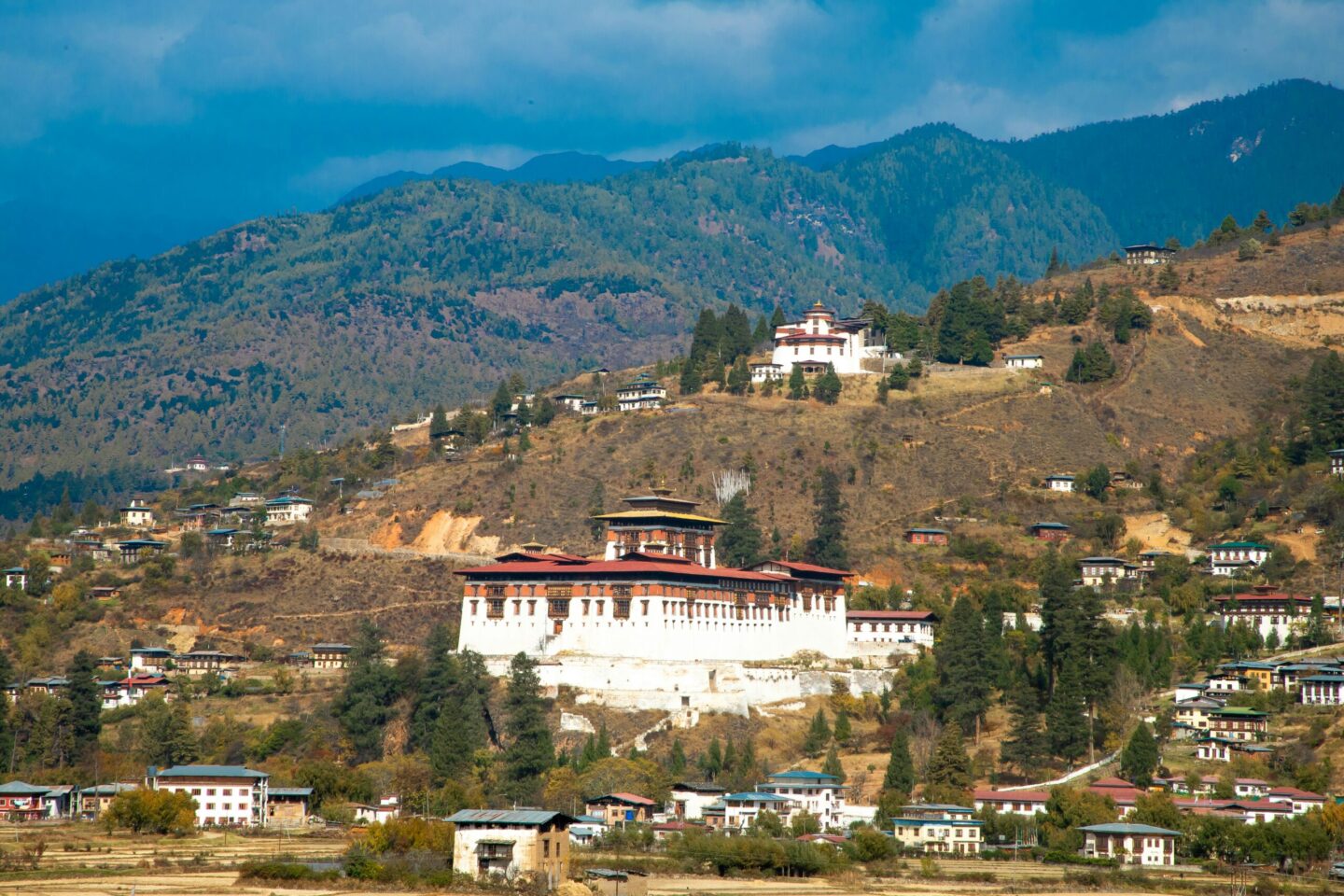
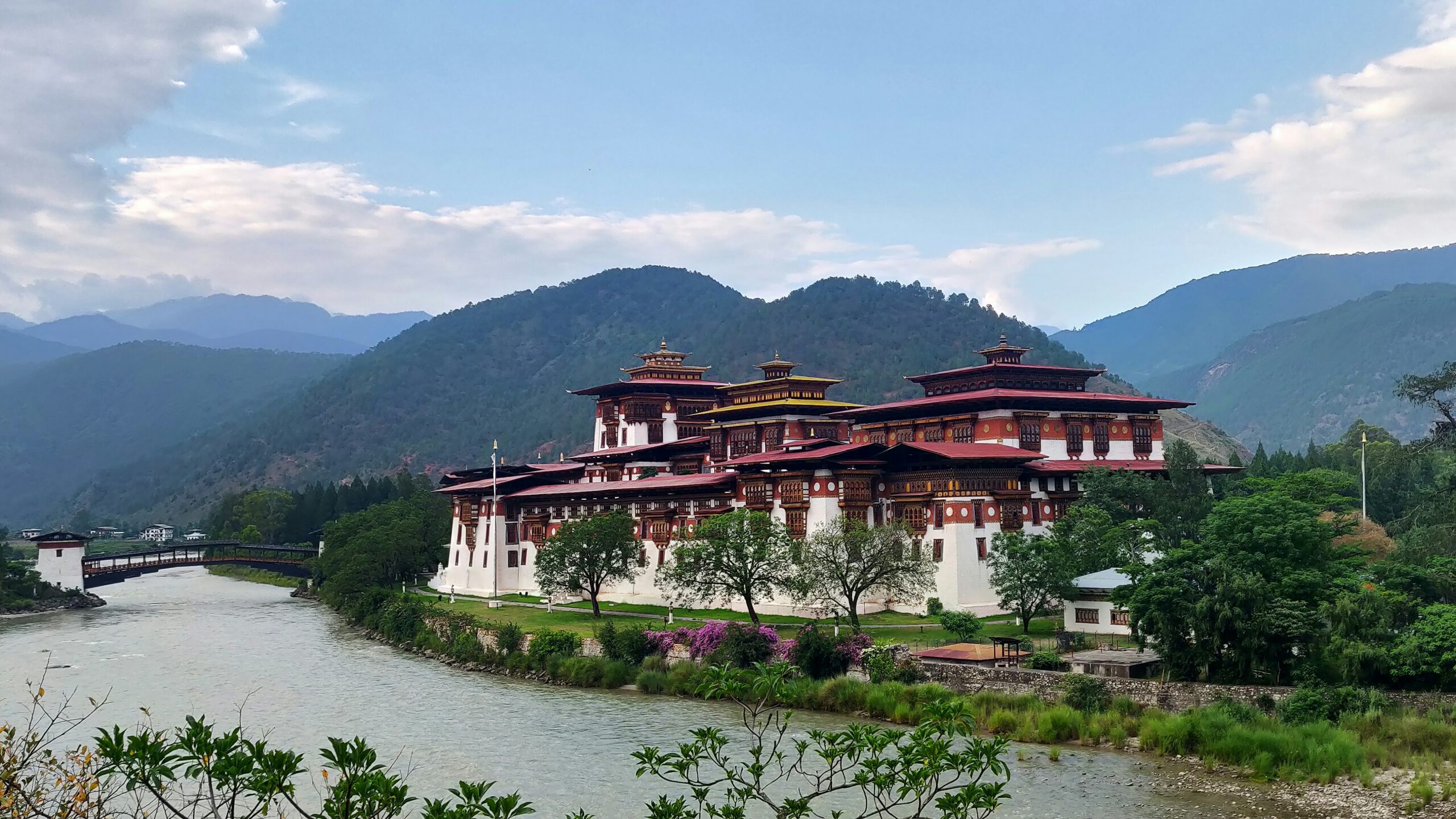
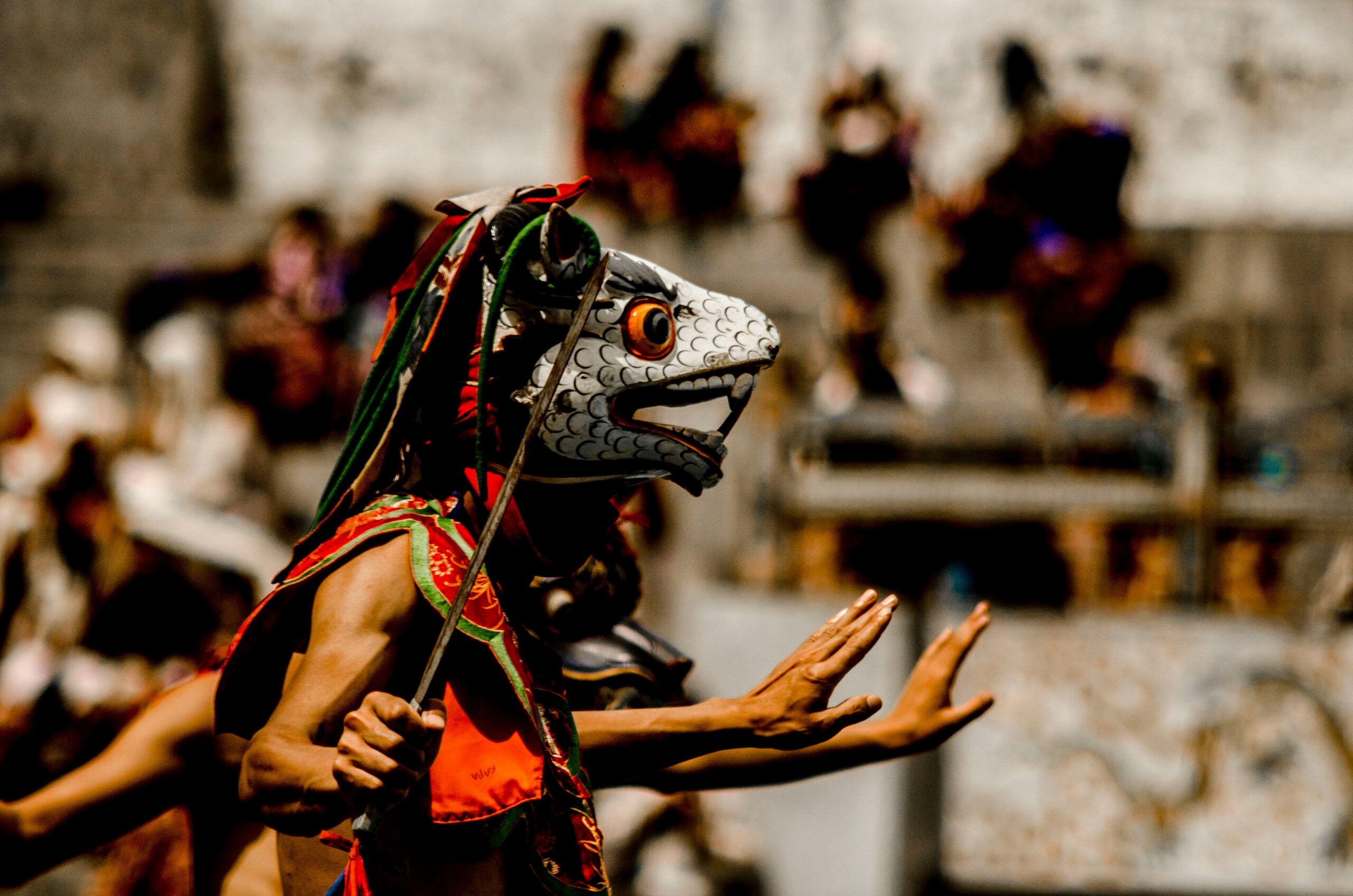
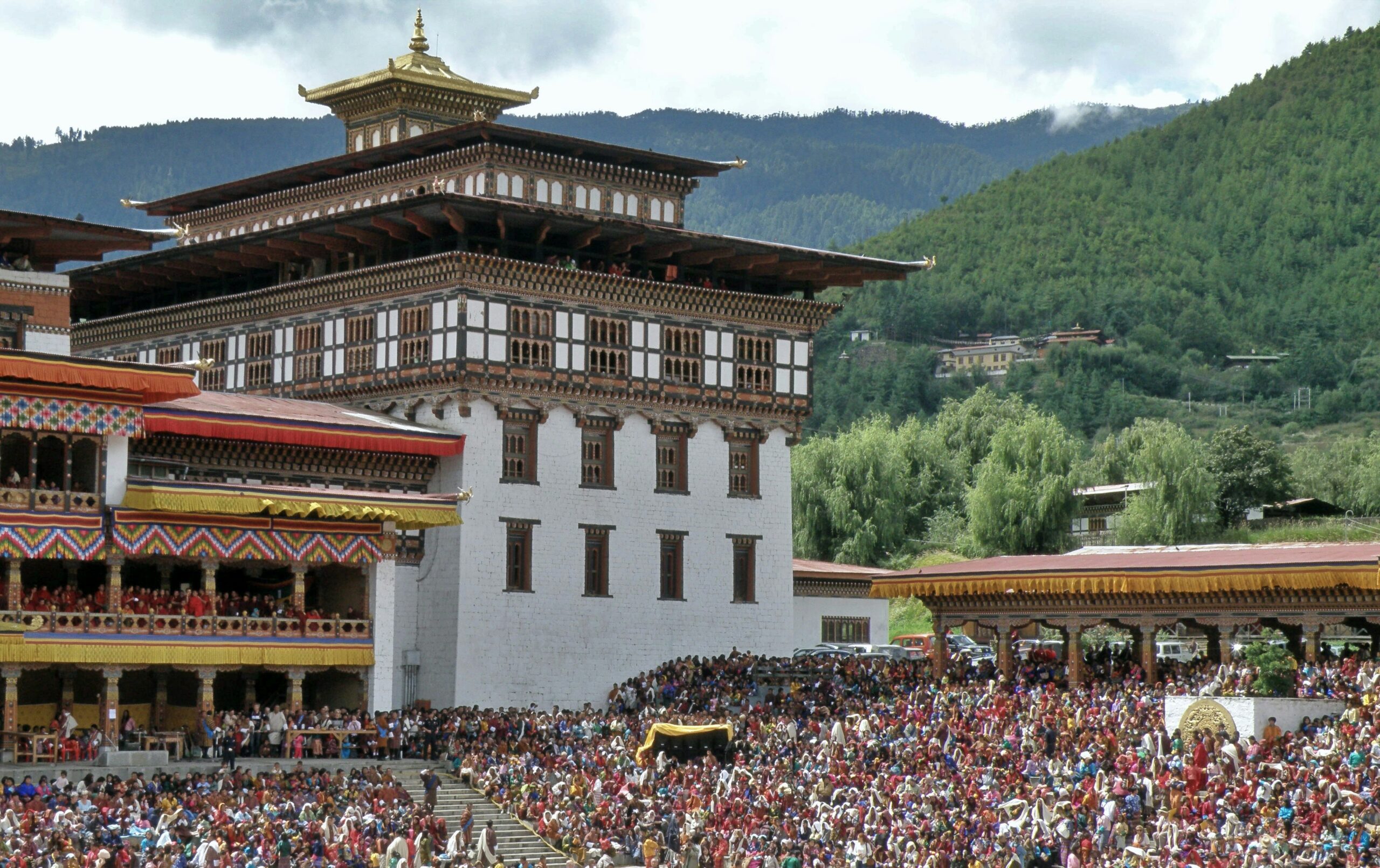
The Paro Tshechu is arguably the most spectacular of Bhutan’s many tshechu festivals: a five-day celebration held each spring in the courtyard of the magnificent Rinpung Dzong. Thousands of pilgrims, monks, and visitors gather from across Bhutan and the world to witness sacred cham dances performed by monks in elaborate silk costumes and painted masks representing wrathful deities, protective beings, and enlightened teachers.
Each dance carries deep religious significance: performances re-enact episodes from Guru Rinpoche’s life, illustrate the consequences of virtuous and non-virtuous actions, and invoke the protective deities of the Drukpa Kagyu tradition. The dances are not merely performance; attending a tshechu is considered a powerful meritorious act that purifies karmic obstacles and accumulates merit for future lives.
The festival’s most dramatic moment is the unfurling of the Thongdrel, a colossal sacred appliquéd thangka depicting Guru Rinpoche flanked by his eight manifestations, in the early morning of the final day. Measuring over 20 metres high, the Thongdrel is displayed only briefly at dawn before the sun’s rays can touch it, as a single glimpse is believed to liberate the viewer from the cycle of rebirth. The sight of thousands of devotees prostrating before it in the golden morning light is profoundly moving.
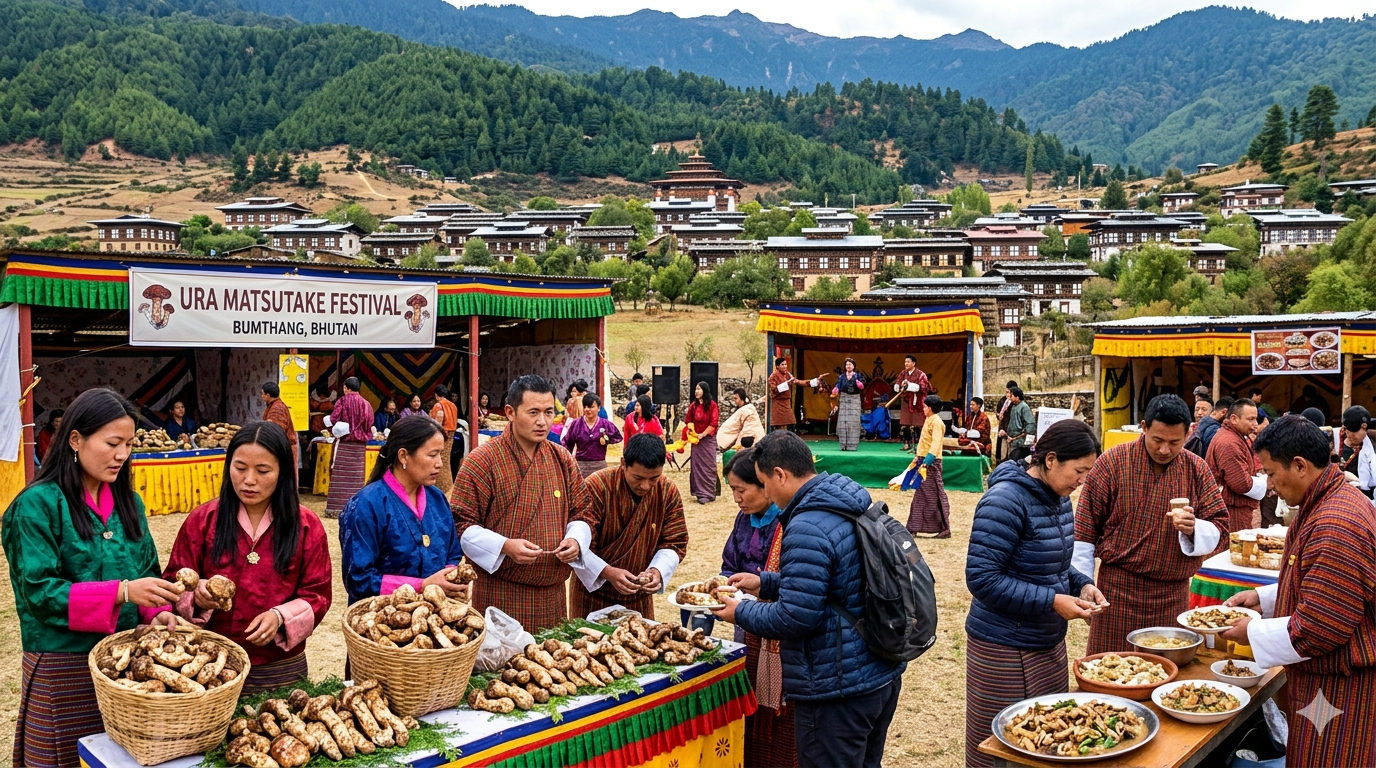
The festival atmosphere extends beyond the dzong courtyard: archery competitions, traditional games, food stalls selling ema datshi and buckwheat noodles, and the extraordinary spectacle of Bhutanese families in their finest kira and gho weavings make the Paro Tshechu one of Asia’s great cultural events.