Bhutan Bird Watching Tour
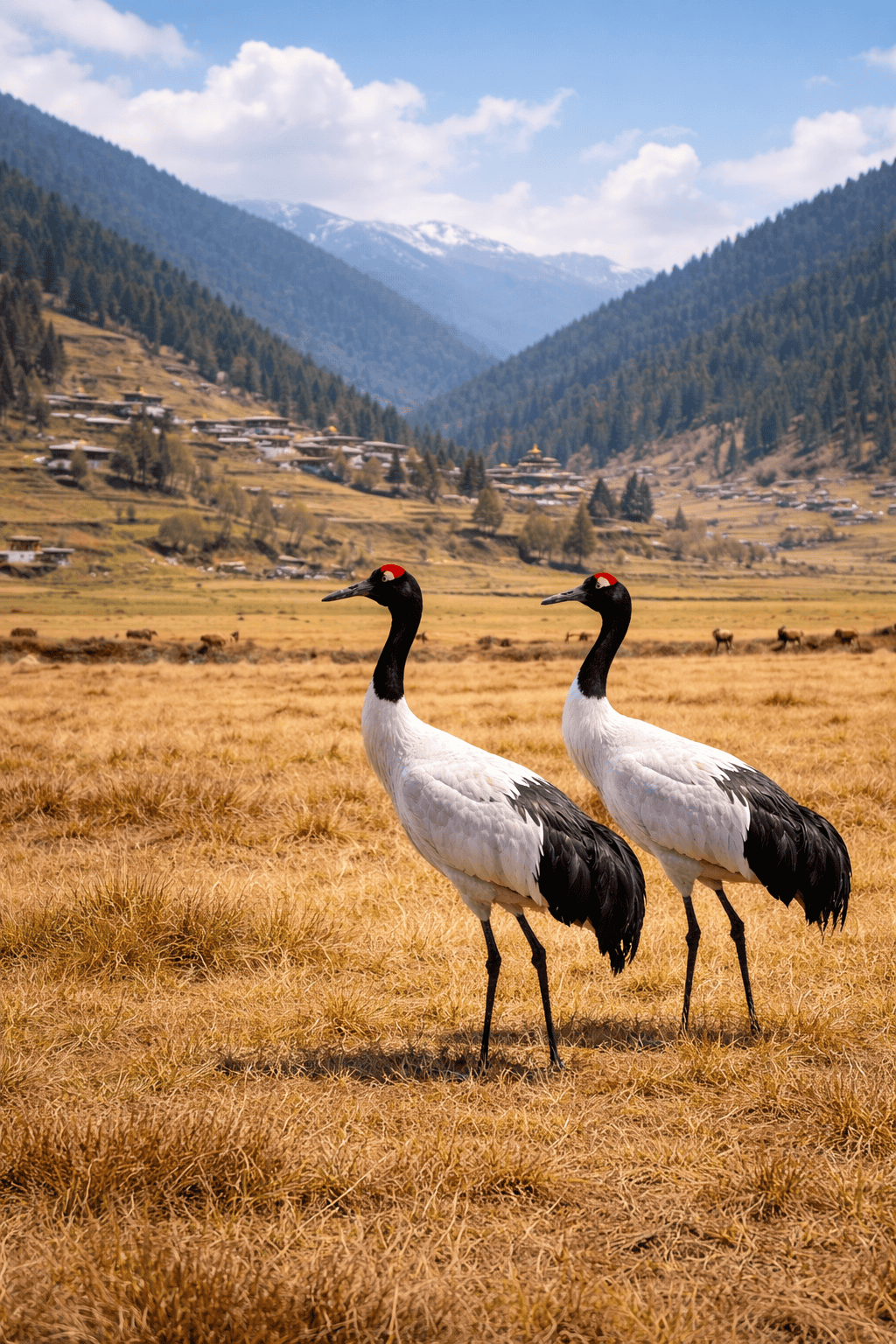
Over 600 bird species recorded in Bhutan, one of Asia's premier birding destinations | Target species include Ward's trogon, beautiful nuthatch, and rufous-necked hornbill | Bird the Phobjikha Valley for black-necked cranes (in season) | Specialist licensed birding guide with expert species knowledge | Early morning birding walks in prime forest habitat | Visit multiple elevation zones , subtropical to alpine for maximum species diversity
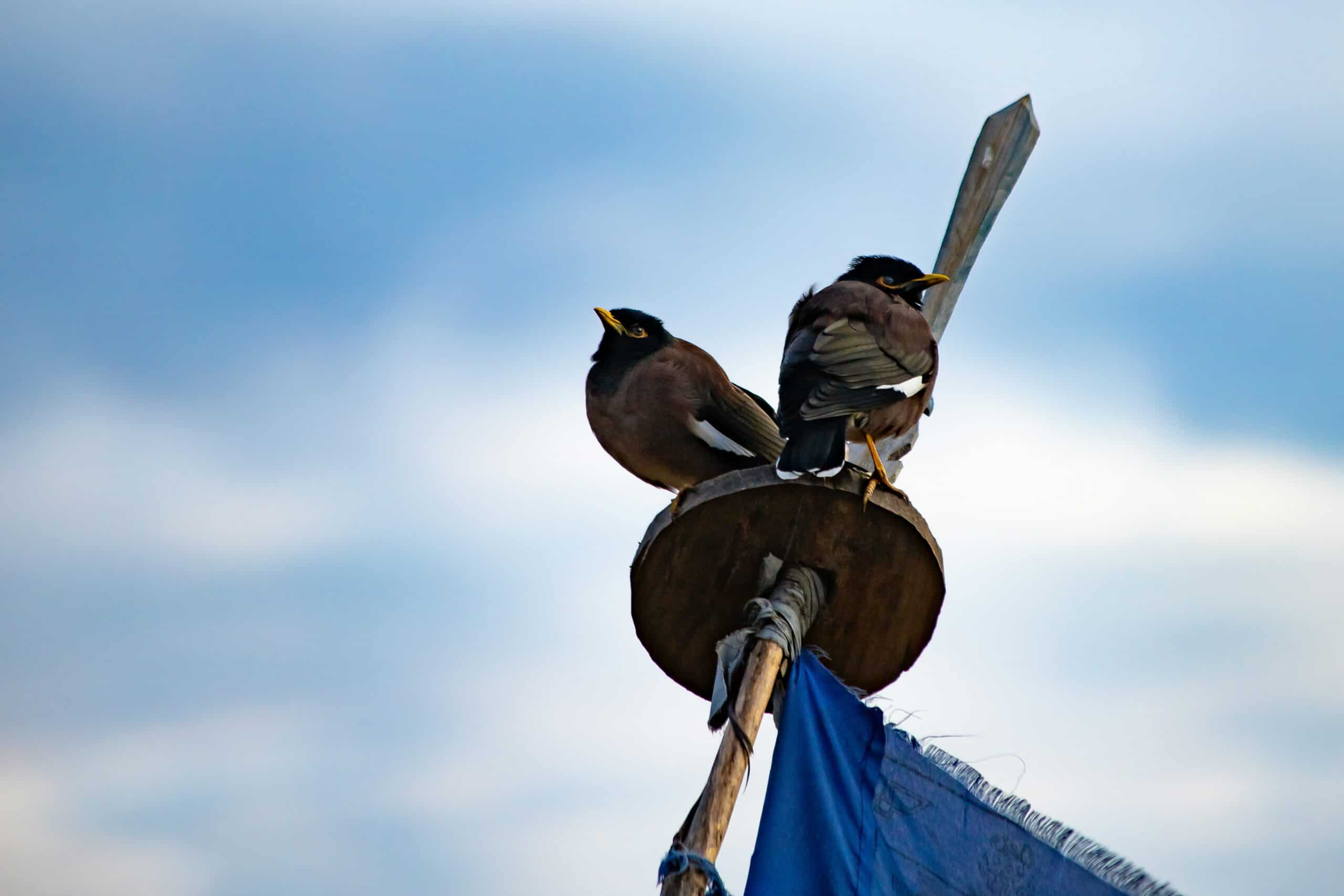
Bhutan is one of the premier birdwatching destinations on earth: a country of extraordinary avian diversity where Himalayan, subtropical, and temperate ecosystems overlap across a single degree of latitude, producing a species list of over 700 birds in a territory the size of Switzerland. The Bhutan Bird Watching Tour is a fourteen-day specialist journey led by a licensed ornithologist guide, covering the ecological zones from the subtropical lowlands of the south to the high alpine meadows of Phobjikha, with target species including the white-bellied heron, beautiful nuthatch, Ward’s trogon, Satyr tragopan, and the wintering black-necked cranes.
The tour begins in the foothills near Phuentsholing, where the subtropical lowland forests hold species unavailable anywhere else in the tour: greater adjutant stork, white-bellied heron (one of the world’s rarest birds, with fewer than 300 individuals remaining), Bengal florican, and the magnificent hornbills (great hornbill, wreathed hornbill, rufous-necked hornbill) that live in the tall riverine forests. Dawn sessions in these forests, with mist still rising from the warm ground and the air filled with bird calls from a hundred species simultaneously, are among the most intense birding experiences available anywhere.
Moving upward through the temperate broadleaf and conifer zones brings the colourful pheasants that have made Bhutan’s forests legendary among birders: Satyr tragopan, blood pheasant, Himalayan monal (Bhutan’s national bird), and the elusive fire-tailed myzornis. The high alpine zones of the Druk Path and Phobjikha valley add specialist species including Himalayan snowcock, snow partridge, grandala, and the wintering flocks of Blanford’s rosefinch and white-rumped snowfinch that gather on ridge-top grasslands in winter.
All observation sessions use quality optics (8×42 binoculars provided, telescope available), and a comprehensive illustrated species list is provided at tour commencement. Daily checklists are compiled and shared electronically. An eBird-compatible digital record of all confirmed sightings is provided at tour end. Maximum group size of six ensures proper spotting scope access and unhurried observation at all sites.
Day 1: Arrival in Paro: Afternoon Birding
Arrive at Paro and begin birding immediately. The valley and airport surrounds are productive for resident species. Check in to your hotel. Evening briefing on the species targets and birding strategy for the tour.
Day 2: Paro Valley Birding
Full day birding the Paro Valley: riverside species along the Paro Chhu, forest birding in the blue pine zone above the valley, and open farmland species on the valley floor. Target species: crested kingfisher, ibisbill, white-capped redstart, and spotted forktail.
Day 3: Dochula Pass Birding
Drive to Dochula Pass (3,100m), one of Bhutan’s best birding sites. Mixed broadleaf and conifer forest at pass elevation hosts a spectacular range of species. Target: satyr tragopan, blood pheasant, fire-tailed myzornis, and Ward’s trogon.
Day 4: Punakha Subtropical Zone
Descend to the subtropical Punakha Valley for a completely different suite of species. Punakha is one of the best sites in Bhutan for rufous-necked hornbill. Morning birding walk along the Mo Chhu river. Visit Punakha Dzong in the afternoon.
Day 5: Punakha to Phobjikha Valley
Drive over Lawala Pass to Phobjikha Valley. In season (Nov–Feb), this is the winter ground of the black-necked crane. Early evening crane viewing as flocks return to roost in the valley wetlands.
Day 6: Phobjikha Dawn Birding
Pre-dawn start for the valley’s prime birding hour. Target species: black-necked crane, common crane, grey-headed lapwing, and multiple duck species on the valley wetlands. Gangte Monastery forest for woodland species. Afternoon at leisure.
Day 7: Phobjikha to Paro: Departure
Morning birding walk before checkout. Drive to Paro for afternoon departure flights. Final species list review with your guide at the airport.