Best Time to Visit Bhutan: A Month-by-Month Guide
Bhutan can be visited year-round, but the two peak seasons, spring (March to May) and autumn (September to November), offer the most favourable conditions for sightseeing, trekking, and festival attendance. Here is what to expect each month.
Spring: March to May
Spring is Bhutan’s most popular season. Rhododendrons bloom across the hillsides in vivid pinks and reds, the air is clear after winter, and the Himalayan peaks are visible before the pre-monsoon haze arrives.
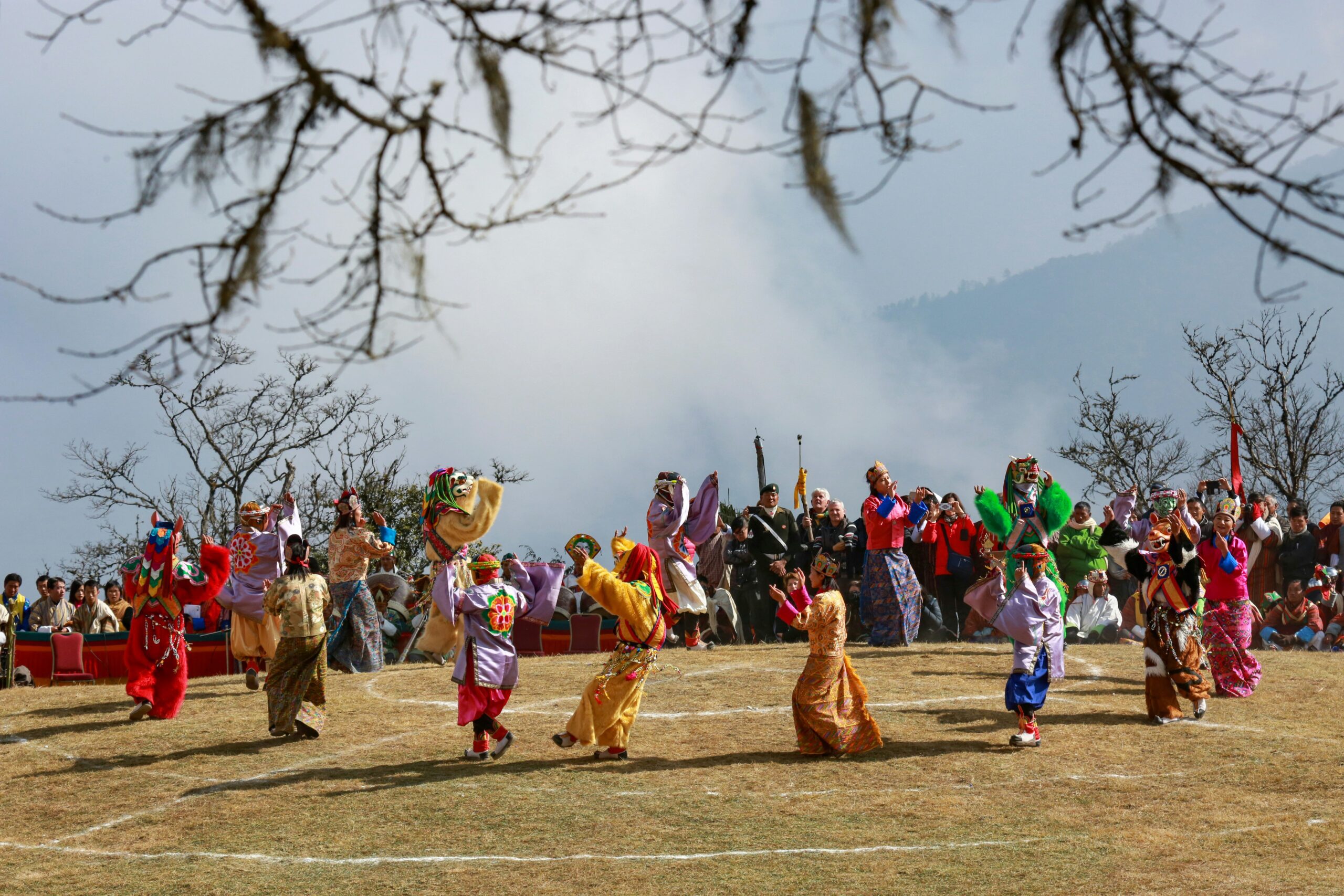
- March to April: peak season. Paro Tshechu falls in late March or early April depending on the lunar calendar. Book at least 3 to 4 months ahead. Daytime temperatures in Paro and Thimphu range 15 to 20°C.
- May: warmer and slightly hazier, but rhododendrons continue at higher elevations. Fewer crowds than April.
Summer and monsoon: June to August
Bhutan receives significant rainfall from the Indian Ocean monsoon between June and mid-September. The landscape is spectacularly lush and green.
- Pros: lower tourist numbers, lush vegetation, waterfalls at full flow, genuine off-season feel.
- Cons: leeches on forest trails, mountain views frequently obscured by clouds, some mountain roads close after landslides.
- Best areas in monsoon: eastern Bhutan (Trashigang, Mongar) receives significantly less rain. The Haa Summer Festival in July is a highlight.
Autumn: September to November
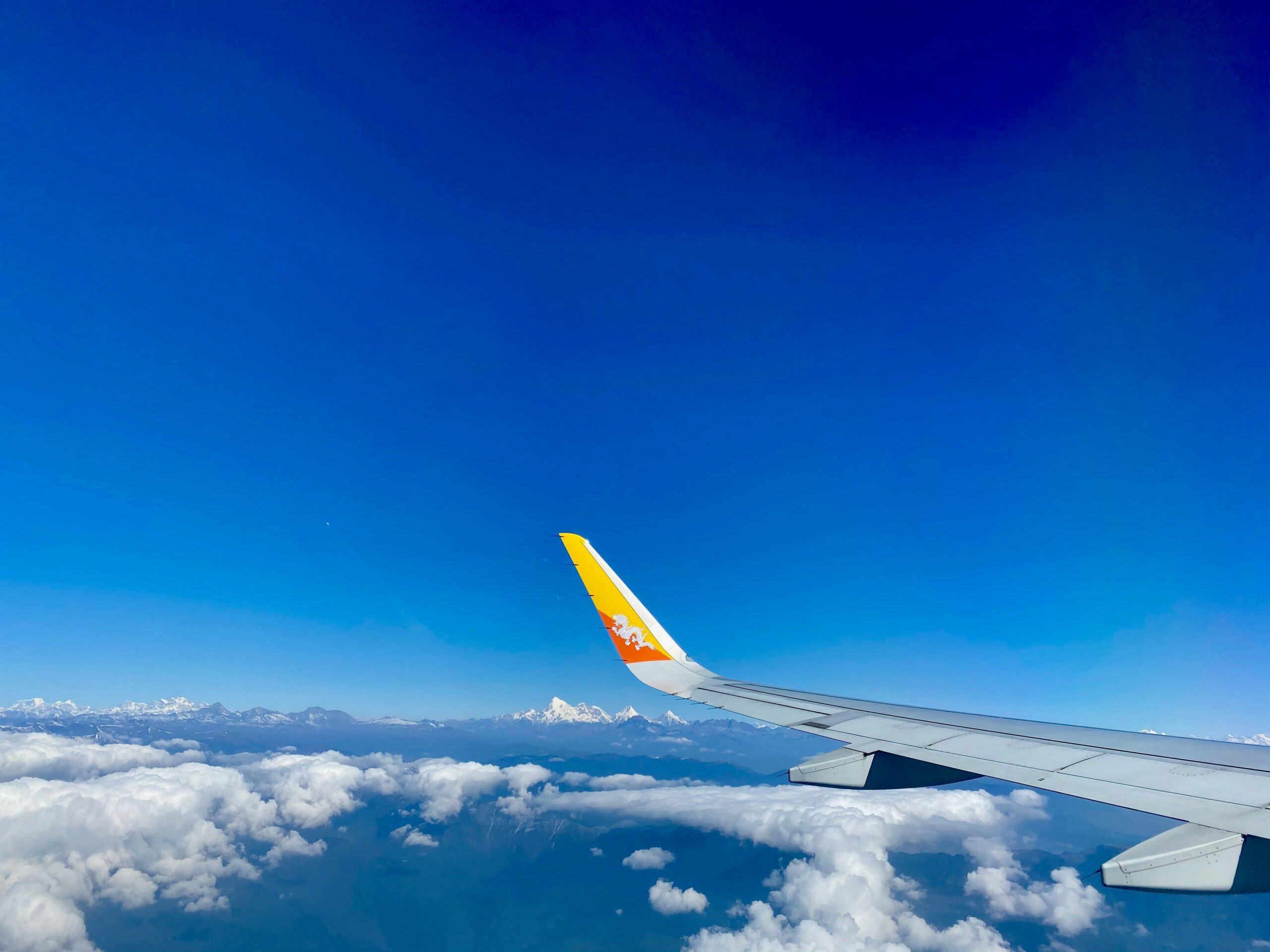
After the monsoon clears in mid-September, the skies become the clearest of the year. This is the best season for mountain views.
- September to October: excellent conditions, clear skies, moderate temperatures. Thimphu Tshechu falls in September or October.
- November: spectacular autumn foliage in Bumthang’s poplar-lined valleys. The Black-necked Crane Festival at Phobjikha on 11 November is one of the most atmospheric events in the Himalayan world.
Winter: December to February
Winter brings snow to the high passes and cold nights everywhere, but the valleys remain accessible and tourist numbers are low.
- Pros: lowest visitor numbers. No crowds at Tiger’s Nest. Punakha Tshechu in February with jacaranda bloom. Black-necked cranes wintering in Phobjikha through February.
- Cons: cold nights (0 to 5°C in Paro and Thimphu). Bumthang and Gasa can be very cold. Some mountain roads close after heavy snow.
Month-by-month summary
| Month | Season | Conditions | Highlights |
|---|---|---|---|
| January | Winter | Cold, dry, clear | Low crowds, Punakha valley warm |
| February | Late winter | Cold, improving | Punakha Tshechu, jacaranda bloom |
| March | Spring | Warm, clear | Rhododendrons, Paro Tshechu |
| April | Peak spring | Warm, clear | Paro Tshechu, peak season |
| May | Late spring | Warm, slight haze | Rhododendrons at altitude, quieter |
| June | Monsoon | Rainy, lush | Off-season, low crowds |
| July | Monsoon | Rainy, lush | Haa Summer Festival |
| August | Monsoon | Rainy, clearing | Eastern Bhutan accessible |
| September | Early autumn | Clear, excellent | Thimphu Tshechu, best mountain views |
| October | Peak autumn | Clear, warm days | Peak trekking season |
| November | Late autumn | Cool, clear | Black-necked Crane Festival, autumn foliage |
| December | Early winter | Cold, dry, clear | Quiet season, good hotel availability |
Our recommendation
For a first visit, choose late March to April (Paro Tshechu season) or October to early November (clear skies, autumn colour, crane festival). Both seasons offer the full Bhutan experience. Book well in advance.