When to Go for Festivals, Trekking & Clear Mountain Views
Best Time to Visit Bhutan: Month-by-Month Guide
Bhutan is a year-round destination, but spring (March–May) and autumn (September–November) offer the best combination of clear skies, mild temperatures, and the country's most celebrated Tsechu festivals.
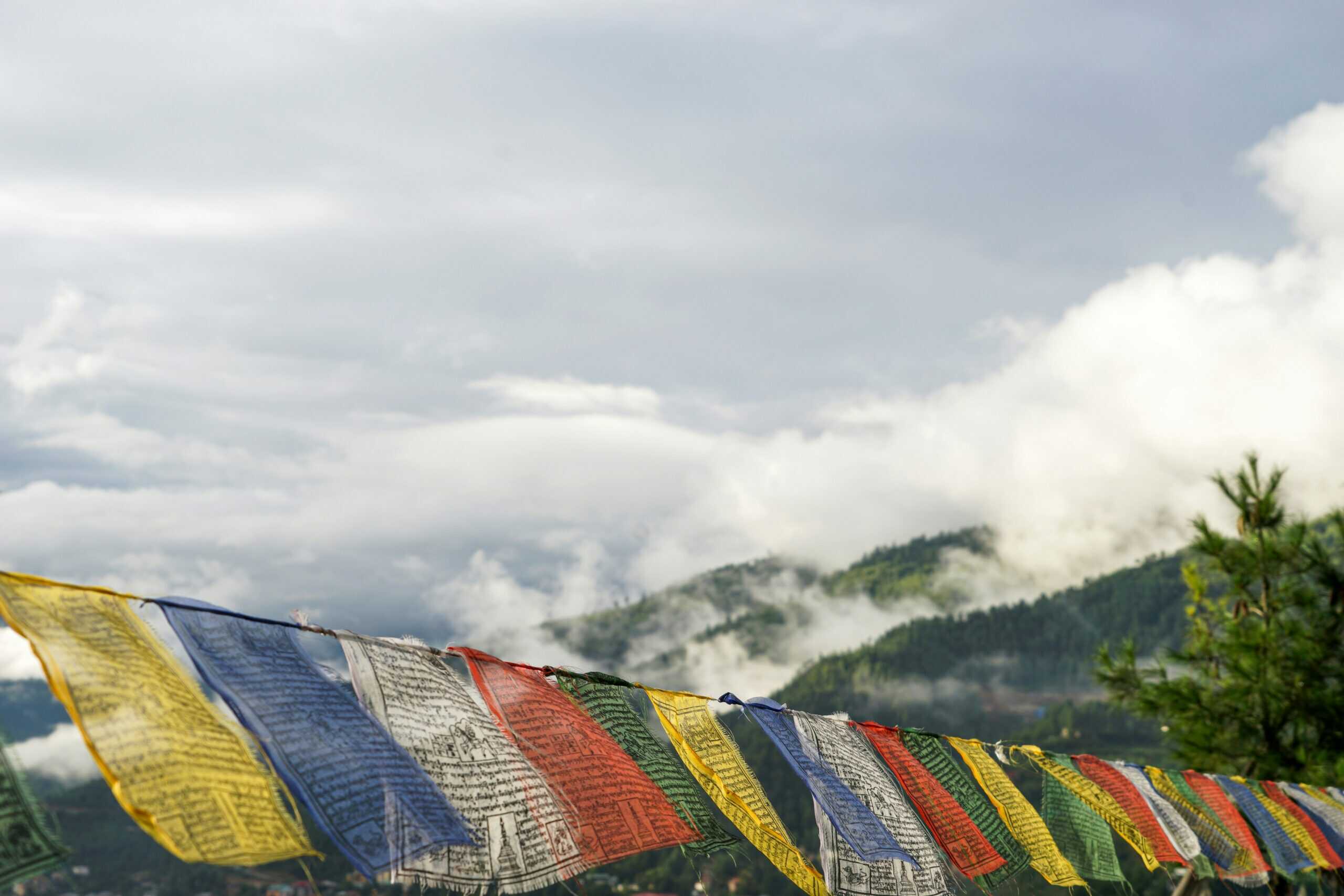
Bhutan is a year-round destination, but choosing the right season makes a significant difference to your experience. Spring and autumn are the undisputed peak seasons, with clear skies, mild temperatures, and the country’s most celebrated festivals. But every season offers something distinct.
Spring (March to May)
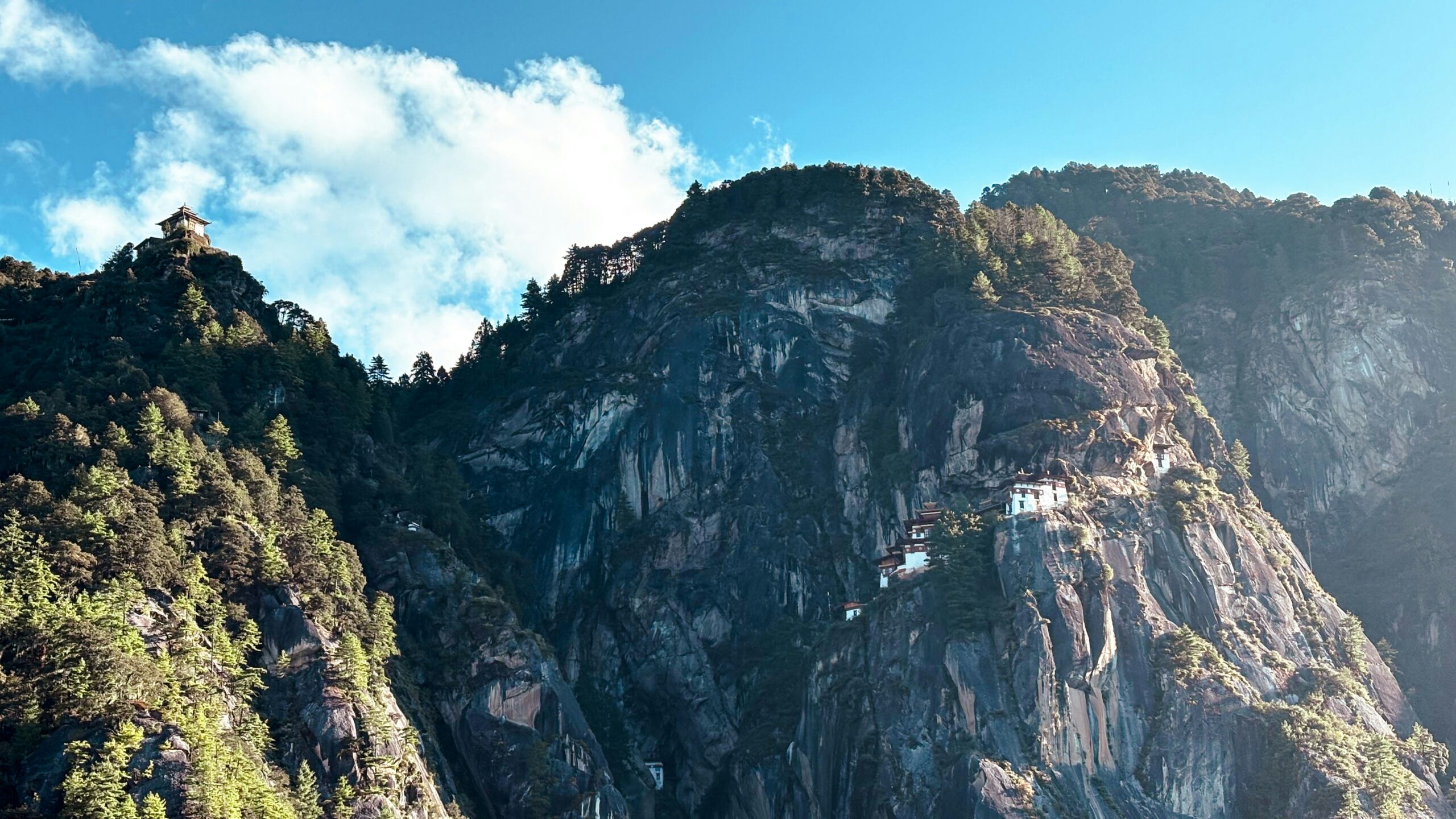
Spring is widely regarded as the finest time to visit Bhutan. Temperatures across the main valleys range from 10°C to 22°C, comfortable for walking and sightseeing. The landscape erupts in colour as rhododendrons bloom across the hillsides, painting the trails between Thimphu, Paro, and Punakha in deep crimson and pink. Mountain views are at their clearest before the pre-monsoon haze builds in late May.
Paro Tsechu, the most celebrated mask dance festival in Bhutan, falls in late March or April (exact dates vary by lunar calendar). The pre-dawn Thongdrel unveiling on the final morning is one of the most extraordinary spectacles in Asia. Demand for accommodation and flights spikes sharply during festival week, so book four to six months in advance.
Spring suits: first-time visitors, festival-seekers, photographers, and wildflower trekkers.
Autumn (September to November)
Autumn is the second peak season and arguably the most balanced overall. The monsoon rains have cleared by late September, leaving the valleys lush and the mountain panoramas crystalline. Temperatures are comfortable, slightly cooler than spring, and the trekking conditions on routes like Druk Path and Bumthang Cultural Trek are excellent.
Thimphu Tsechu falls in September or October, followed by Wangdue Phodrang Tsechu shortly after. October is often cited by experienced Bhutan travellers as the single best month of the year: post-festival quiet, perfect weather, and fully open mountain roads after the monsoon. Book well ahead for October as it fills fast.
Autumn suits: trekkers, repeat visitors, and those wanting festivals without Paro’s peak crowds.
Winter (December to February)
Winter is Bhutan’s low season, quieter, cooler, and noticeably less expensive than spring or autumn. Valley floors remain accessible and surprisingly mild. Punakha sits at just 1,200 m and regularly sees daytime highs of 15 to 18°C even in January. Thimphu and Paro are colder (0 to 10°C daytime, below zero at night) but rarely unpleasant for sightseeing.
Phobjikha Valley, three hours east of Punakha, hosts the annual migration of the endangered black-necked crane from November to February, a rare and moving wildlife spectacle. The Punakha Drubchen festival in February or March offers dramatic reenactments inside the fortress courtyard with far smaller crowds than Paro Tsechu. Mountain passes above 3,500 m may be closed after heavy snowfall.
Winter suits: budget-conscious travellers, birdwatchers, and those seeking a quieter and more contemplative Bhutan.
Summer and Monsoon Season (June to August)
The southwest monsoon brings heavy, warm rain to most of Bhutan from mid-June through August. The landscape turns impossibly green: rice paddies shimmer, waterfalls multiply, and rivers run high and fast. Prices drop and tourist numbers thin significantly, giving you a more local experience at major sites.
The trade-offs are real. Mountain views are frequently obscured by cloud, some roads in remote districts close temporarily after landslides, and leeches appear on forested trails after rain. River rafting on the Mo Chhu and Pho Chhu is generally suspended during peak monsoon. Eastern Bhutan, at lower elevations, receives less monsoon rain than the west and can be rewarding in summer.
Summer suits: adventurous travellers, those on a tighter budget, and anyone drawn to dramatic green landscapes over mountain panoramas.
Frequently Asked Questions
What Is the Best Month to Visit Bhutan?
October is consistently recommended by experienced Bhutan tour operators as the single best month. The monsoon has cleared, skies are a deep blue, mountain views are sharp, and the post-festival crowds have dispersed. Temperatures are comfortable for hiking and sightseeing across all major valleys. That said, late March or early April during Paro Tsechu is equally special if festivals are your priority, so just book well in advance.
Is Bhutan Good to Visit in Winter?
Yes, especially if you choose the right valleys. Punakha is warm and welcoming in winter and sees far fewer tourists than during spring or autumn. The black-necked crane migration to Phobjikha Valley (November to February) is a unique winter highlight. Thimphu and Paro are cold but manageable with appropriate clothing. High-altitude treks and mountain passes may be inaccessible due to snow, but cultural itineraries centred on the western valleys work very well in winter.
Can You Visit Bhutan During Monsoon Season?
Yes, and some travellers find it deeply rewarding. The country is extraordinarily beautiful in the rain, vivid green, uncrowded, and atmospheric. However, you should adjust expectations: mountain views will often be obscured, some roads may close temporarily, and trekking on forested trails involves mud and leeches. If you are visiting primarily for dzong sightseeing, festivals (the Haa Summer Festival runs in July), and cultural experiences rather than trekking or mountain panoramas, the monsoon season is a viable and affordable option.