When, Where & How to Experience Bhutan's Sacred Mask Dance Festivals
Bhutan Tsechu Festival Guide: Dates, Locations & What to Expect
Tsechu festivals are Bhutan's most vibrant cultural celebrations, multi-day events featuring sacred Cham mask dances, religious rituals, and the pre-dawn unfurling of giant thangka paintings called Thongdrel. Attending a Tsechu is a once-in-a-lifetime experience.
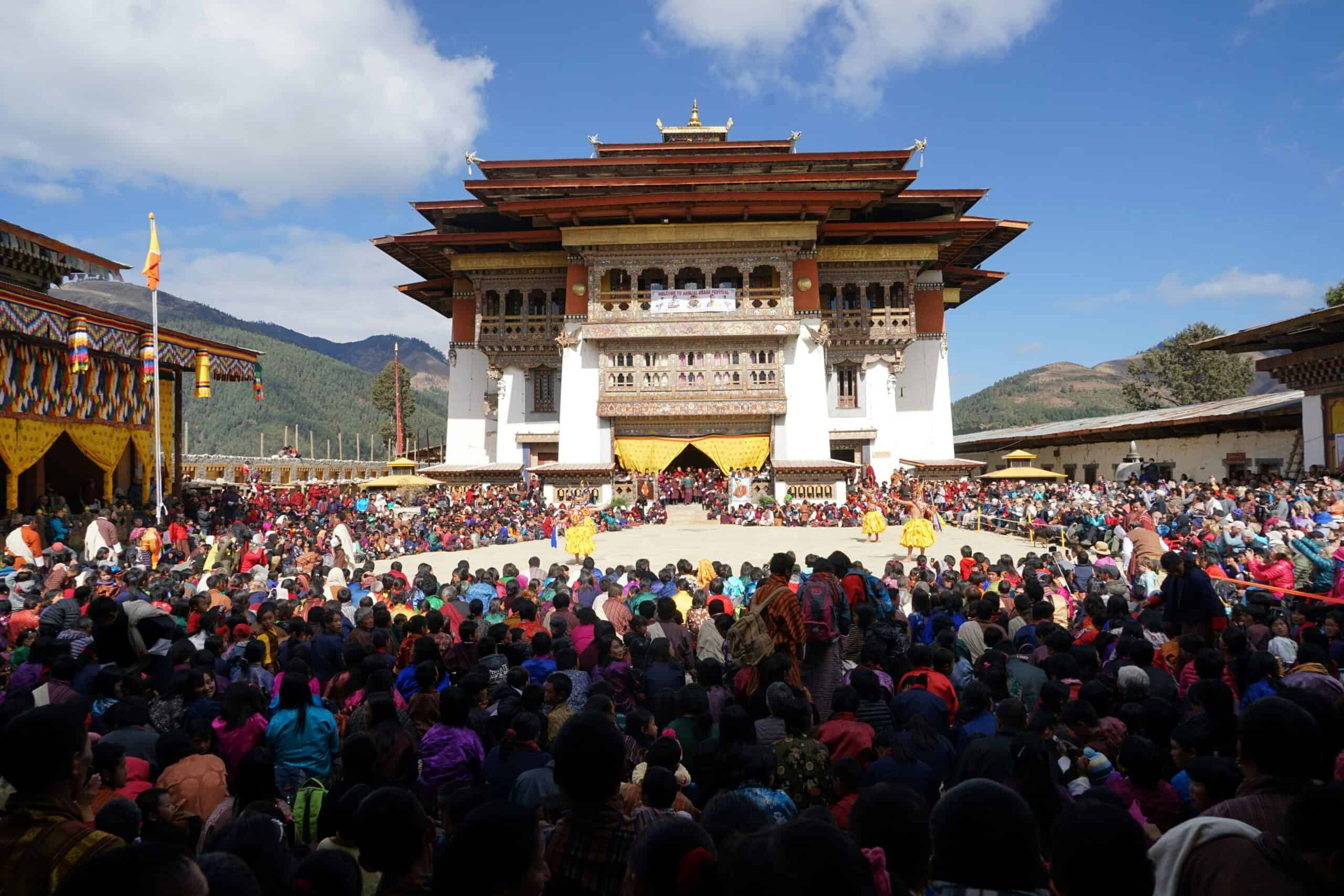
No experience in Bhutan compares to watching the sacred Cham mask dances at a Tsechu festival. These are not tourist performances. They are living religious rituals, performed by monks and laypeople alike, believed to bring blessings to all who witness them. Attending a Tsechu is one of the most profound encounters with Bhutanese culture that a visitor can have.
What Is a Tsechu Festival?
The word “Tsechu” means “tenth day” in Dzongkha. The festivals are held on or around the tenth day of a month in the Bhutanese lunar calendar, commemorating deeds performed by Guru Rinpoche (Padmasambhava) on that day during his 8th-century travels through the Himalaya. Each Tsechu runs for three to five days and centres on the Cham, which are elaborate ritual mask dances performed in the courtyards of dzongs and monasteries.
The Cham Mask Dances
The dancers wear large, hand-carved wooden masks representing deities, demons, animals, and protective spirits. Each dance sequence tells a specific story from Buddhist mythology, with particular dances believed to have the power to purify negative karma and protect the community from misfortune. A Tsechu is simultaneously a religious ceremony, a community gathering, a social event, and a spectacle of extraordinary visual power.
Major Tsechu Festivals in Bhutan
Paro Tsechu (March/April)
Held in and around Rinpung Dzong in Paro town, this is the most famous and most attended Tsechu in Bhutan. It runs for five days and culminates in the pre-dawn unveiling of the Thongdrel, a massive silk appliqué thangka painting of Guru Rinpoche, on the final morning. Tens of thousands of Bhutanese pilgrims travel from across the country to witness the Thongdrel, believing that seeing it confers blessings equivalent to a lifetime of spiritual practice.
Thimphu Tsechu (September/October)
Three days of Cham mask dancing in the courtyard of Tashichho Dzong, the seat of Bhutan’s government and winter residence of the Je Khenpo (Chief Abbot). More accessible than Paro for visitors based in the capital, and equally vibrant.
Punakha Drubchen (February/March)
Strictly speaking a Drubchen rather than a Tsechu, this two-day event features a dramatic reenactment of a 17th-century battle in which Bhutan repelled a Tibetan invasion. Hundreds of men in traditional armour and costumes fill the courtyard of Punakha Dzong, making it one of the most visually striking events in the Bhutanese festival calendar.
Wangdue Phodrang Tsechu (September/October)
A smaller, more local festival at Wangdue Phodrang Dzong, 70 km east of Punakha. Far fewer international tourists than Paro or Thimphu, giving a more intimate and authentic atmosphere.
Bumthang Jambay Lhakhang Drup (October/November)
One of the most spiritually significant festivals in central Bhutan, featuring the rare Mewang fire ritual. Naked masked dancers perform around a blazing fire in the middle of the night. Not for the faint-hearted, but utterly unforgettable.
The Thongdrel Unveiling at Paro Tsechu
What Is the Thongdrel?
A Thongdrel (also spelled Thongdrol) is a large sacred silk appliqué or embroidered thangka painting, typically depicting Guru Rinpoche or another important deity. The word translates roughly as “liberation through sight.” Bhutanese Buddhists believe that merely seeing the Thongdrel at the moment of its unveiling brings liberation from the cycle of rebirth. Thongdrels are only displayed for a few hours, always at the end of a major festival, and always before dawn so that sunlight does not fade the colours. They are then carefully rolled and stored until the following year.
What to Expect on the Morning of the Unveiling
The Thongdrel ceremony begins before sunrise on the final morning of the festival. The enormous silk thangka, sometimes several stories tall, is slowly unfurled from the upper galleries of the dzong in the pre-dawn darkness. Thousands of pilgrims and visitors press forward in the flickering torchlight to witness the moment the full image is revealed. The ceremony lasts only a few hours before the painting is rolled away before the sun’s rays can fade the delicate silk.
Tips for Attending the Thongdrel Ceremony
Arriving at the dzong by 4–4:30 am is essential to secure a viewing position. This is a sacred religious ceremony. Maintain respectful silence, avoid flash photography, and follow your guide’s instructions throughout.
How to Dress for a Tsechu Festival
Modest, respectful clothing is required at all festivals. Cover shoulders and knees at minimum. Wearing traditional Bhutanese dress, a Gho (men’s robe) or Kira (women’s ankle-length dress), is genuinely welcomed by Bhutanese hosts and is a meaningful gesture of cultural respect. Your tour operator can often arrange traditional dress for hire. Avoid bright, distracting colours if you are seated near the performance area, and always remove your shoes when entering temple buildings adjacent to the courtyard.
How to Plan Your Trip Around Tsechu Festival Dates
Because Bhutanese festivals follow the lunar calendar, exact Gregorian dates shift by days or weeks each year. The Tourism Council of Bhutan publishes the coming year’s festival calendar and your tour operator will have this information. Build your festival dates around confirmed Gregorian dates for your specific year of travel, not generic month ranges.
For Paro Tsechu and Thimphu Tsechu especially, accommodation in the host town books out months in advance. Combining two festivals in one trip, for example Punakha Drubchen followed immediately by Punakha Tsechu, is possible with careful planning.
Frequently Asked Questions About Tsechu Festivals in Bhutan
When Is the Paro Tsechu?
Paro Tsechu is held on the 10th–15th day of the second month of the Bhutanese lunar calendar, which usually falls in late March or early April in the Gregorian calendar. The exact dates shift each year. For your specific year of travel, confirm the Gregorian dates with the Tourism Council of Bhutan festival calendar or your licensed tour operator. The final morning of the festival, when the Thongdrel is unveiled, is the most significant day and requires the earliest start.
Are Tsechu Festivals Open to Tourists?
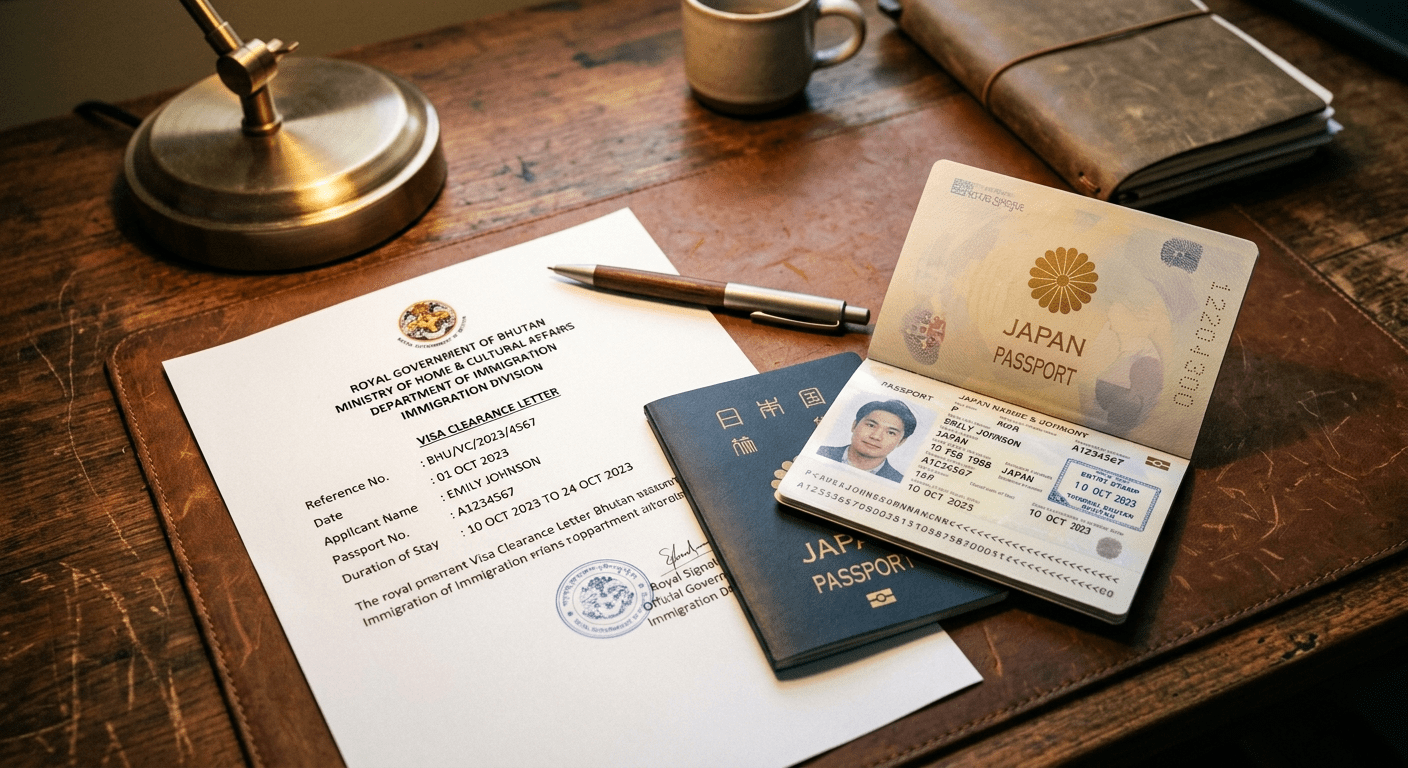
Yes, all Tsechu festivals in Bhutan are open to foreign visitors who hold a valid tourist visa and are travelling with a licensed guide. There is no separate festival entry ticket for tourists. Attendance is covered within the existing visa and SDF framework. Your guide will accompany you, explain the significance of each dance sequence, advise on respectful behaviour, and help you navigate the crowds. Tsechu festivals are public religious events, not staged tourist shows, and should be approached with the same respect you would give any active place of worship.