Monastery Dress Codes, Altitude Layers & Trekking Essentials
Bhutan Packing List: What to Pack for Every Season
Packing for Bhutan means preparing for steep altitude changes, strict monastery dress codes, and fast-changing mountain weather, sometimes all in the same day. This season-by-season checklist covers everything you need.
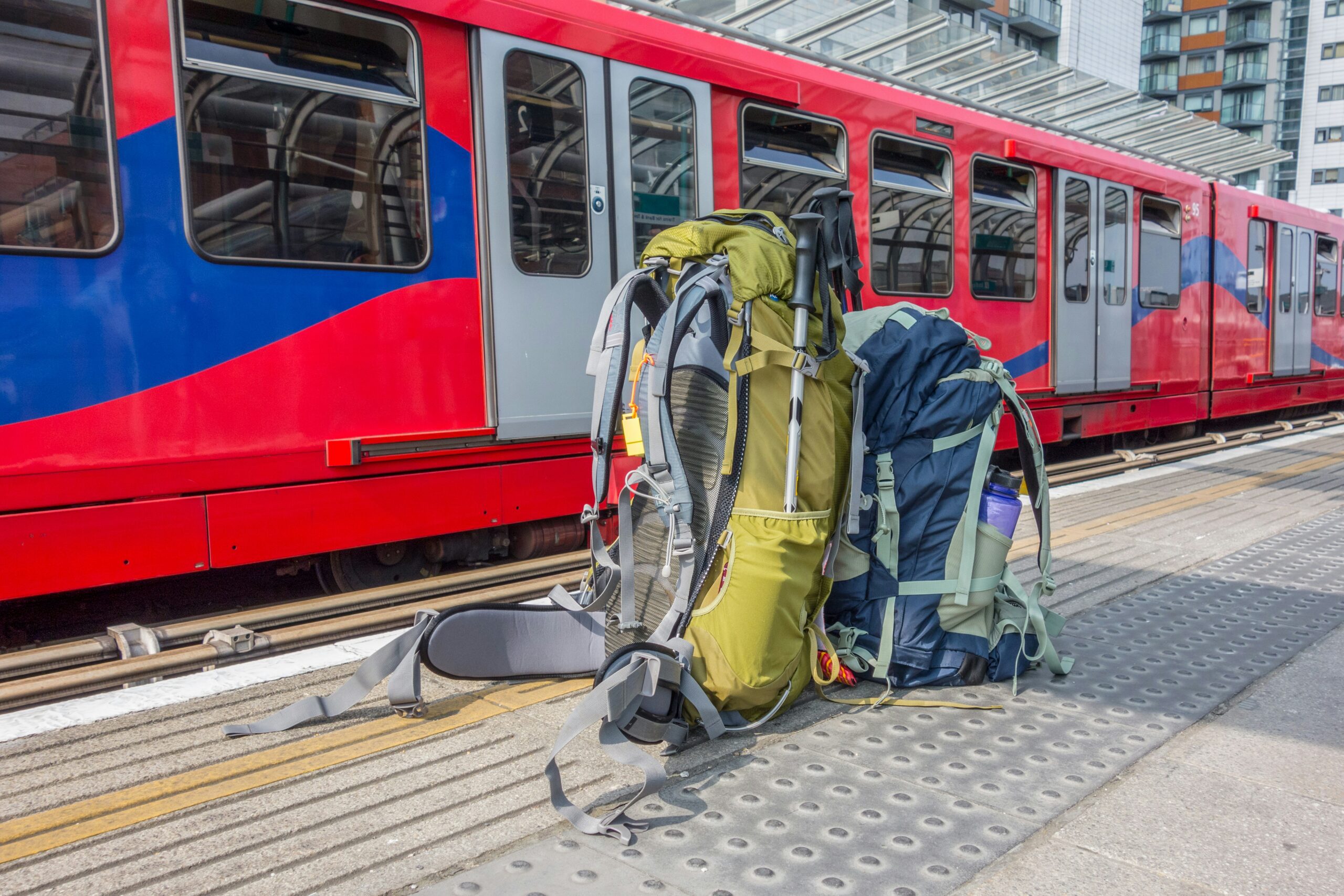
Packing for Bhutan requires thinking in layers, altitude zones, and dress codes simultaneously. A single day can take you from a warm valley floor dzong at 1,200 m to a windswept mountain pass at 3,800 m. Getting your kit right makes the difference between a comfortable adventure and a week of shivering or sweating through sacred sites in the wrong clothes.
Clothing Essentials
The layering principle is non-negotiable in Bhutan. A base layer, mid-layer (fleece or down), and a waterproof outer shell covers almost every scenario you will encounter. For spring and autumn, a lightweight down jacket handles mountain passes and cool evenings. For winter, add thermal base layers and a heavier insulated jacket.
Trousers and long skirts are far more versatile than shorts. Dzongs and monasteries require covered legs, so shorts mean changing clothes multiple times per day. Pack two or three pairs of comfortable, quick-drying trousers that work both on the trail and in cultural sites. A lightweight scarf doubles as a sun cover, dust mask, and extra layer in air-conditioned restaurants.
UV protection clothing (UPF 50+) is worth the investment. Bhutan’s average altitude of 2,500 m puts you significantly closer to the sun than at sea level, and UV radiation increases by roughly 10% for every 1,000 m of elevation.
Footwear
Sturdy walking shoes or light hiking boots are essential even if you plan no formal trekking. Dzong courtyards are cobbled, temple approaches are uneven stone steps, and many village paths are rough gravel. Ankle support matters. Waterproof footwear is valuable in spring and autumn when unexpected afternoon showers are common.
Pack a pair of lightweight slip-on sandals or shoes for evenings at the hotel and for quickly removing footwear at temple and dzong entrances, which you will do many times per day. Sandals with grip are better than flip-flops on uneven surfaces.
Monastery and Dzong Dress Code
Bhutan enforces its monastery dress code firmly. Guides will not take you inside if you are dressed inappropriately. The rules apply to both men and women: no bare shoulders, no sleeveless tops, no shorts or short skirts, and no hats inside buildings. Carrying a lightweight long-sleeved layer in your daypack solves most situations instantly.
For Women
A lightweight long skirt that packs flat is the most elegant solution for dzong visits.
For Men
Chino-style trousers and a collared shirt are appropriate for formal dzong visits.
Many Bhutanese hosts are delighted when visitors wear a traditional Gho or Kira. Your operator can arrange hire if you are interested.
Electronics and Connectivity
Bhutan uses Type D and Type F power outlets. Bring a universal travel adapter. Voltage is 230V/50Hz. Mobile data coverage from Bhutan Telecom and TashiCell is reliable in Thimphu, Paro, and Punakha but patchy in rural areas and absent in remote valleys. Download offline maps (Maps.me or Google Maps offline) before arrival.
A portable power bank (10,000 to 20,000 mAh) is valuable on longer hiking days when you will not have access to a charger. Domestic baggage limits on Druk Air propeller aircraft are strict, so do not pack more electronics than you genuinely need.
Health and Medications
Carry a basic travel health kit: paracetamol, ibuprofen, rehydration sachets, blister plasters, antiseptic wipes, antihistamines, and any personal prescription medications in sufficient quantity for your entire trip plus a buffer. Pharmacies exist in Thimphu and Paro but selection is limited. No prescription medications are available reliably outside the two main towns.
Altitude sickness is a real consideration at high mountain passes (3,800 to 4,000 m). Consult your doctor about acetazolamide (Diamox) if your itinerary includes rapid ascent. Staying hydrated and ascending gradually are the most effective preventative measures for most travellers.
Sunscreen SPF 50+ is critical and should be applied generously every day, even in overcast conditions. High-altitude UV burns faster than most visitors expect.
What to Leave at Home
Drones require a special permit from the Department of Air Transport, so do not assume you can fly one. Leave valuables at home where possible. Crime is very low in Bhutan but hotels do not always have in-room safes. Avoid overpacking. Most itineraries do not require formal evening wear, and laundry service is available at most three-star and above hotels.
Frequently Asked Questions
What Should I Not Wear in Bhutan?
Avoid shorts, sleeveless tops, low-cut clothing, and short skirts for any day that includes a dzong, monastery, or festival visit, which covers most days in a typical Bhutan itinerary. Revealing clothing is considered disrespectful in sacred spaces and your guide will not be able to take you inside. In Thimphu and Paro towns, casual Western dress is accepted outside of sacred sites, but the safest approach is to dress modestly throughout your trip. Locals are unfailingly polite but appreciate the visible effort visitors make to respect their cultural norms.
Do I Need Cash in Bhutan?
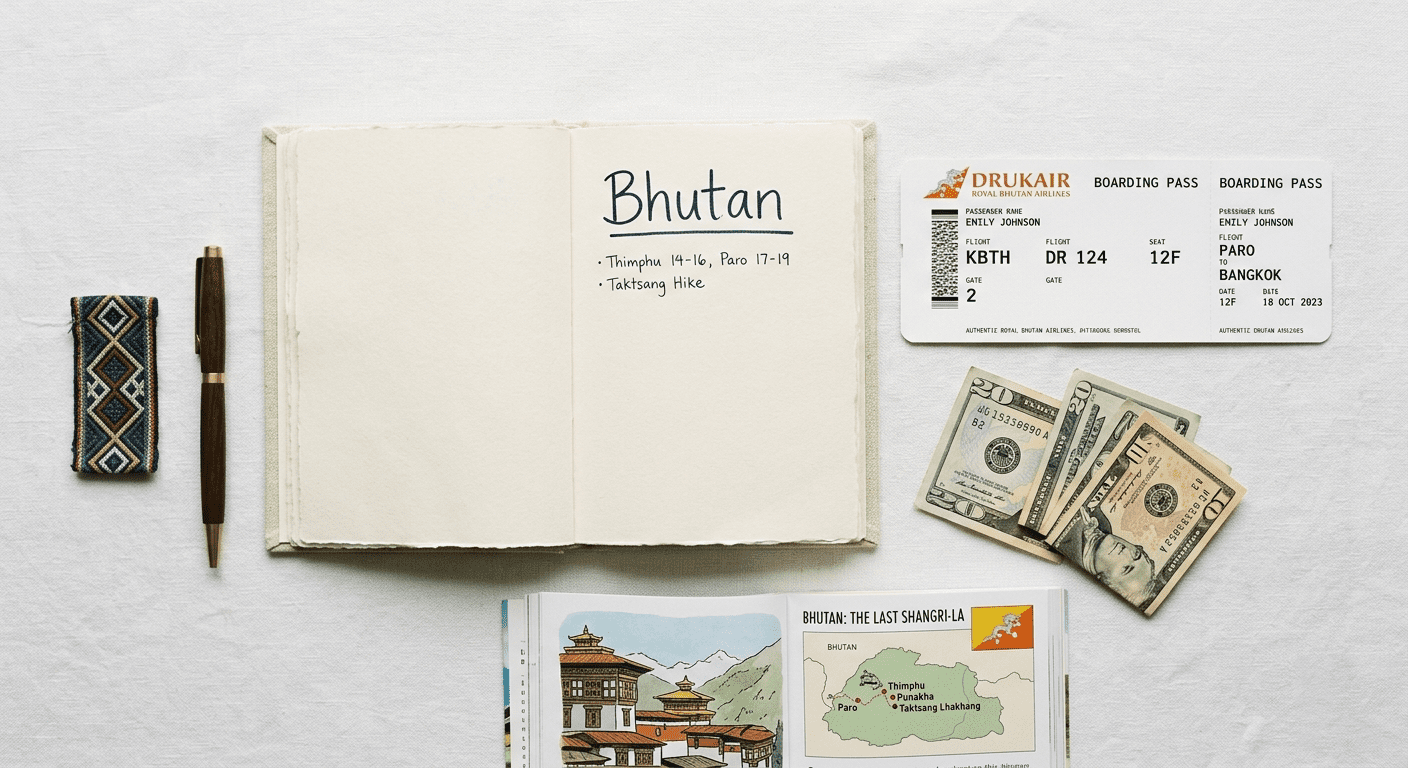
Yes. Carry sufficient US dollars to exchange into Bhutanese Ngultrum (BTN), which is pegged at 1:1 to the Indian Rupee. ATMs are available in Thimphu and Paro but are unreliable for foreign cards, so do not count on them. Indian Rupees are widely accepted across Bhutan. Credit cards are accepted at larger hotels and some tour operators but not at small restaurants, craft shops, or market stalls. A budget of USD 30 to 50 per day in cash covers personal spending comfortably, including meals outside the included package, snacks, souvenirs, and tips.
Can I Rent Trekking Gear in Bhutan?
Yes. Basic trekking gear including sleeping bags, trekking poles, duffel bags, and down jackets is available for hire through licensed tour operators and some gear shops in Thimphu and Paro. Quality varies. If you are attempting a serious multi-day trek such as the Snowman Trek or Druk Path, bring your own footwear and any technical gear from home. For day hikes including Tiger’s Nest, renting trekking poles locally is a perfectly reasonable option if you do not own a pair.