Punakha
Punakha Dzong · Mo Chhu River · Suspension Bridge

Punakha sits at just 1,200 metres, low enough that subtropical warmth fills the valley even in midwinter, making it Bhutan’s most lush and fertile region. For hundreds of years it served as Bhutan’s capital and the winter seat of the government, and it retains a timeless grandeur that sets it apart from anywhere else in the kingdom.
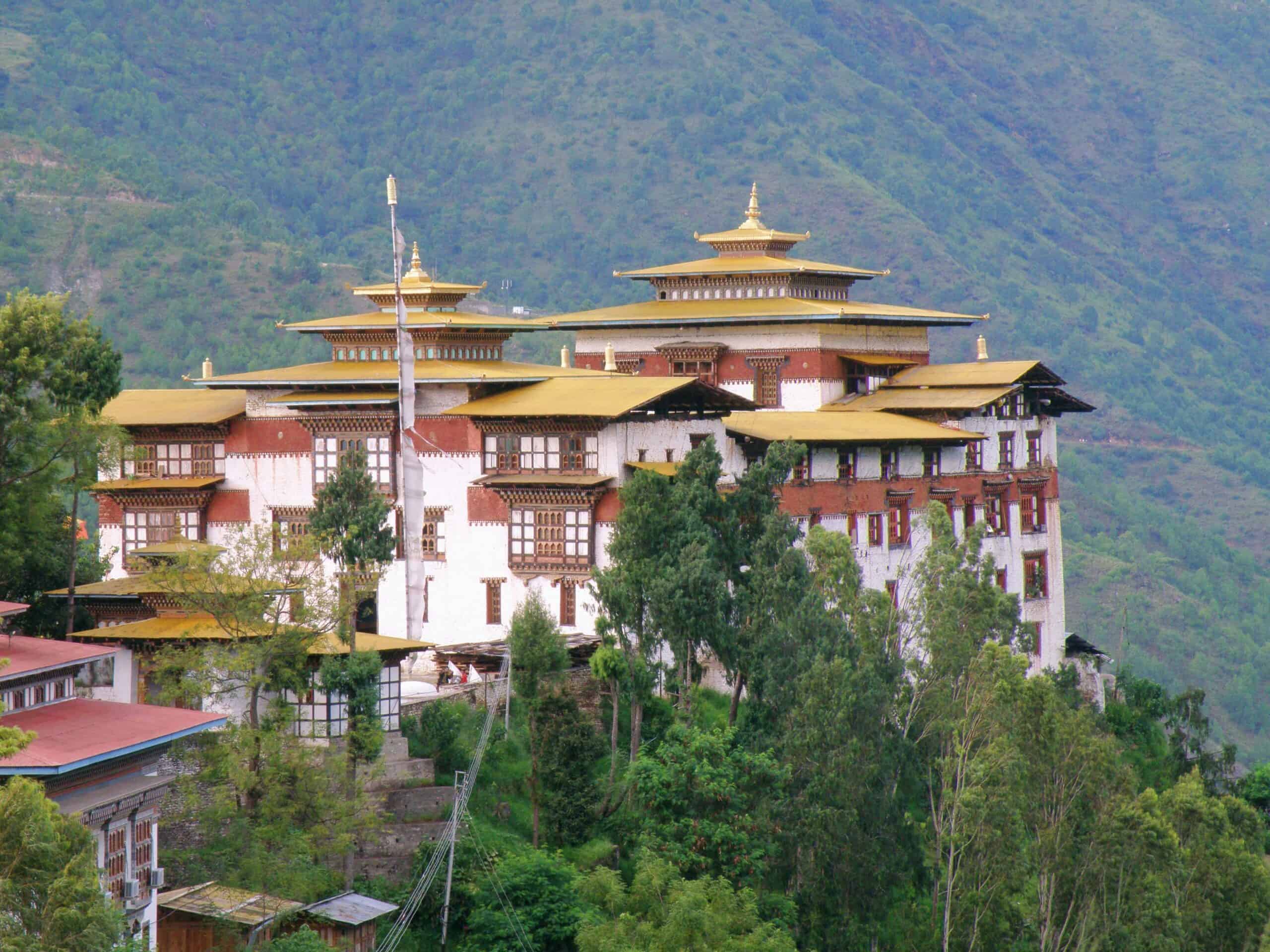
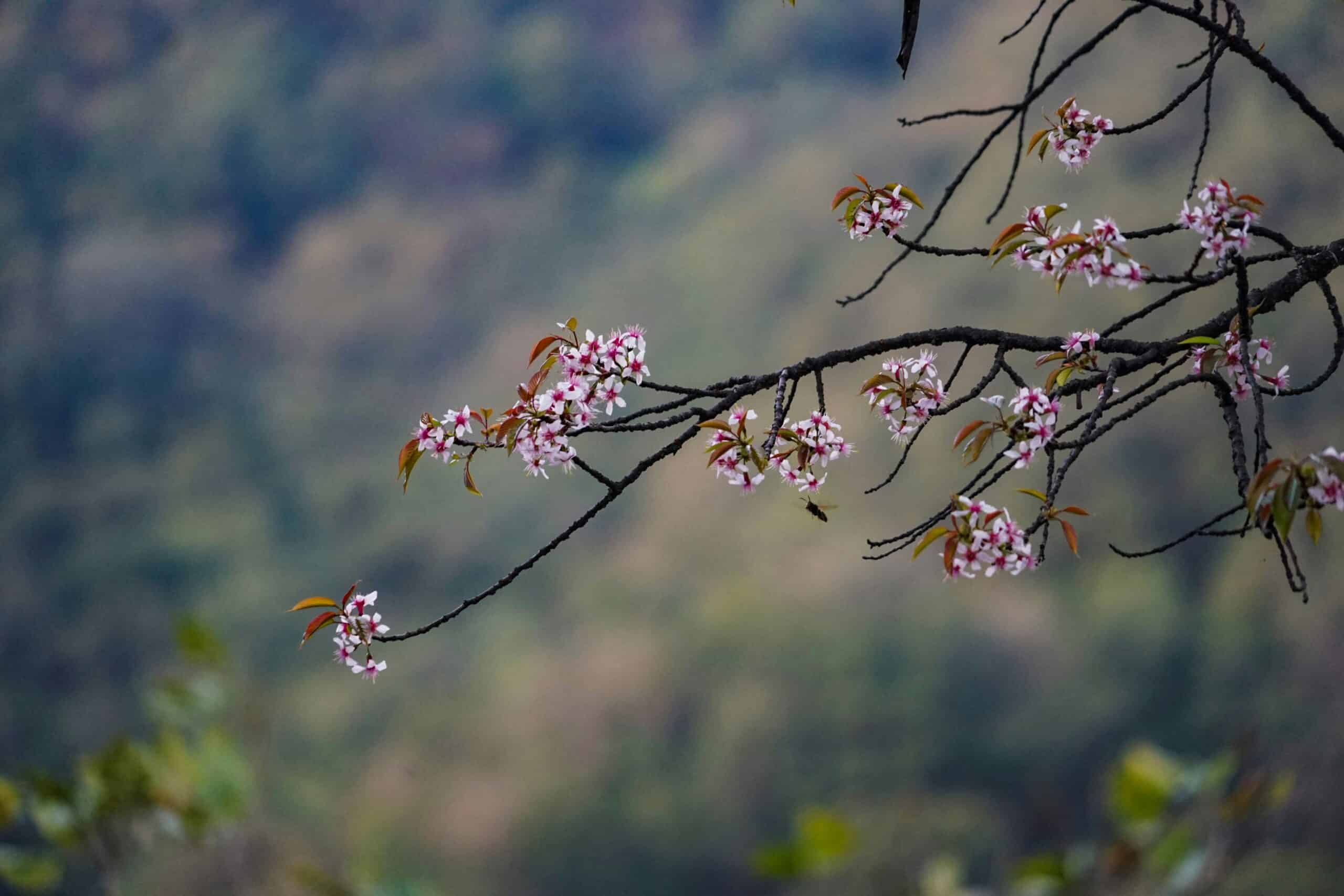
The Punakha Dzong is universally considered Bhutan’s most beautiful building. Perched at the confluence of the Pho Chhu (Father River) and Mo Chhu (Mother River), its white towers rise against a backdrop of forested mountains and sky. Built in 1637 by Zhabdrung Ngawang Namgyal, the dzong has served as the venue for royal coronations and royal weddings, and still houses the sacred body of the Zhabdrung himself. In spring, an explosion of jacaranda blossoms turns the surrounding grounds violet-blue.
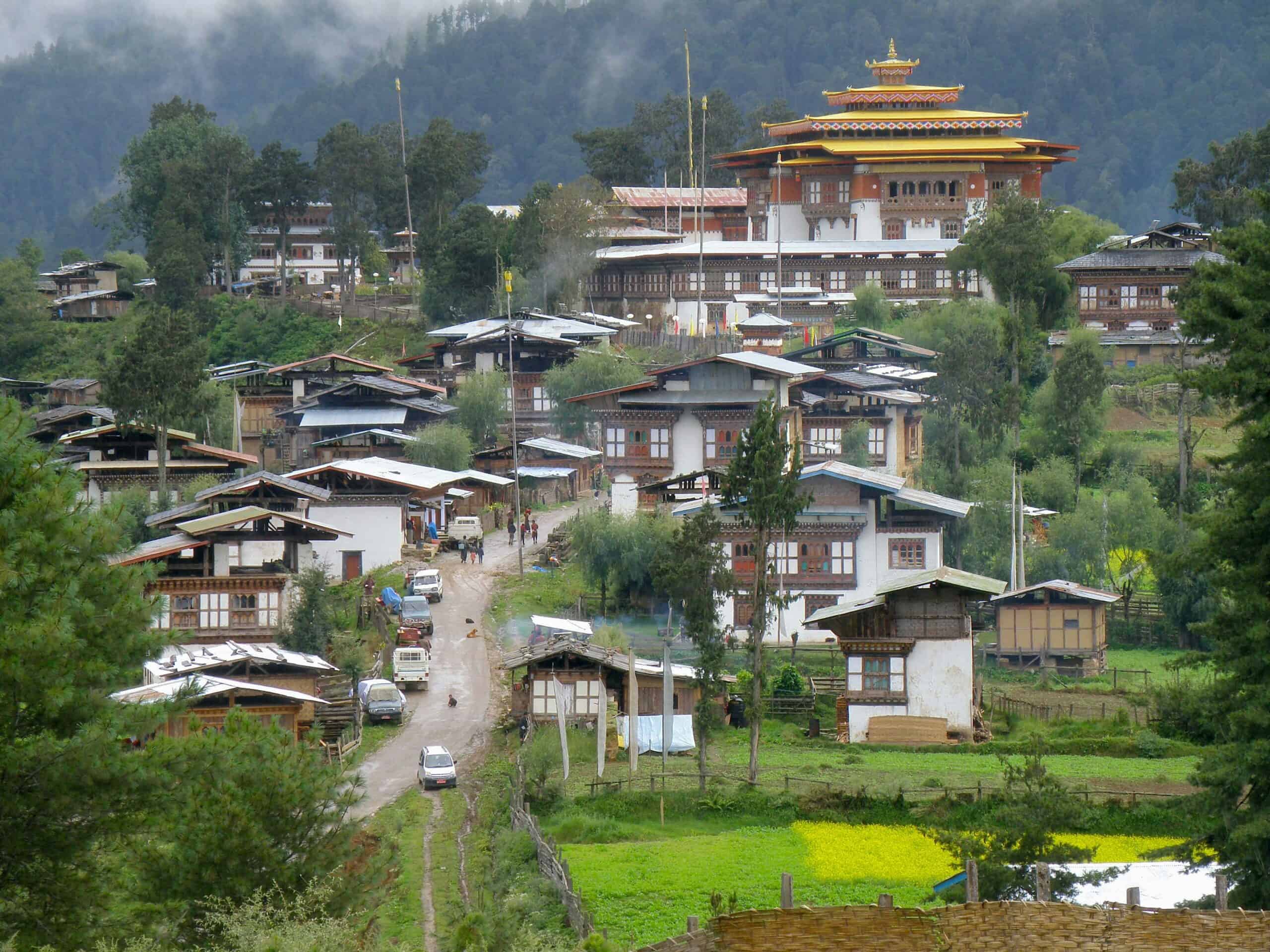
The valley’s lower altitude means rice and maize grow in terraced paddies along the riverbanks, and the Khamsum Yulley Namgyal Chorten, a beautiful four-storey temple reached by a 45-minute walk through rice fields, offers panoramic views of the whole valley system. The suspension bridge beside the dzong, hung with prayer flags, sways gently above the churning green rivers below.
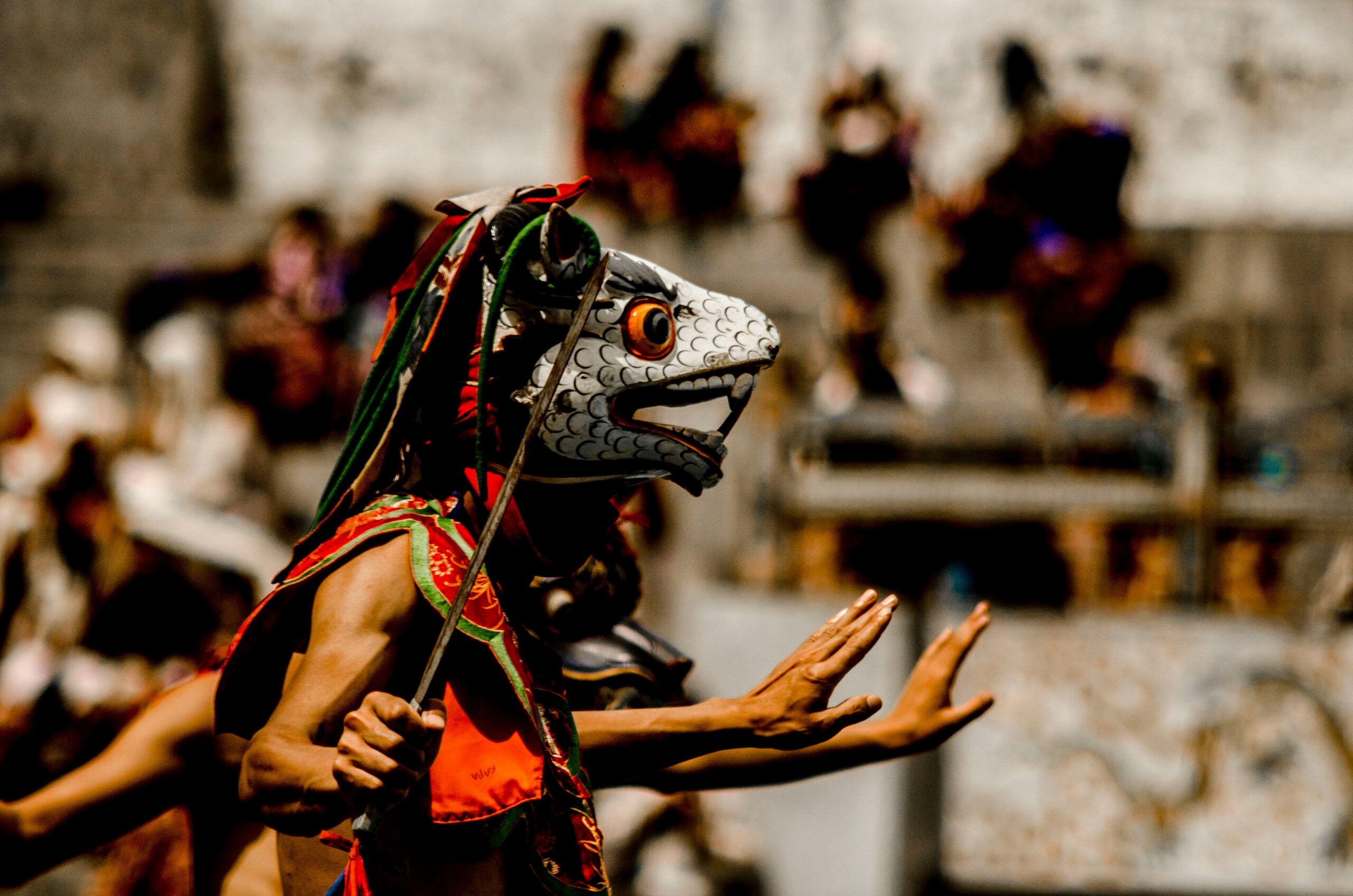
The Punakha Tshechu in spring is one of Bhutan’s most atmospheric festivals, featuring a dramatic dramnyen (lute) drama re-enacting the Zhabdrung’s victory over Tibetan invaders. Punakha also serves as the base for day hikes to Limbukha village and Talo Monastery, and for whitewater rafting on the Mo Chhu.