Phobjikha
Black-Necked Cranes · Gangtey Monastery · Glacial Valley
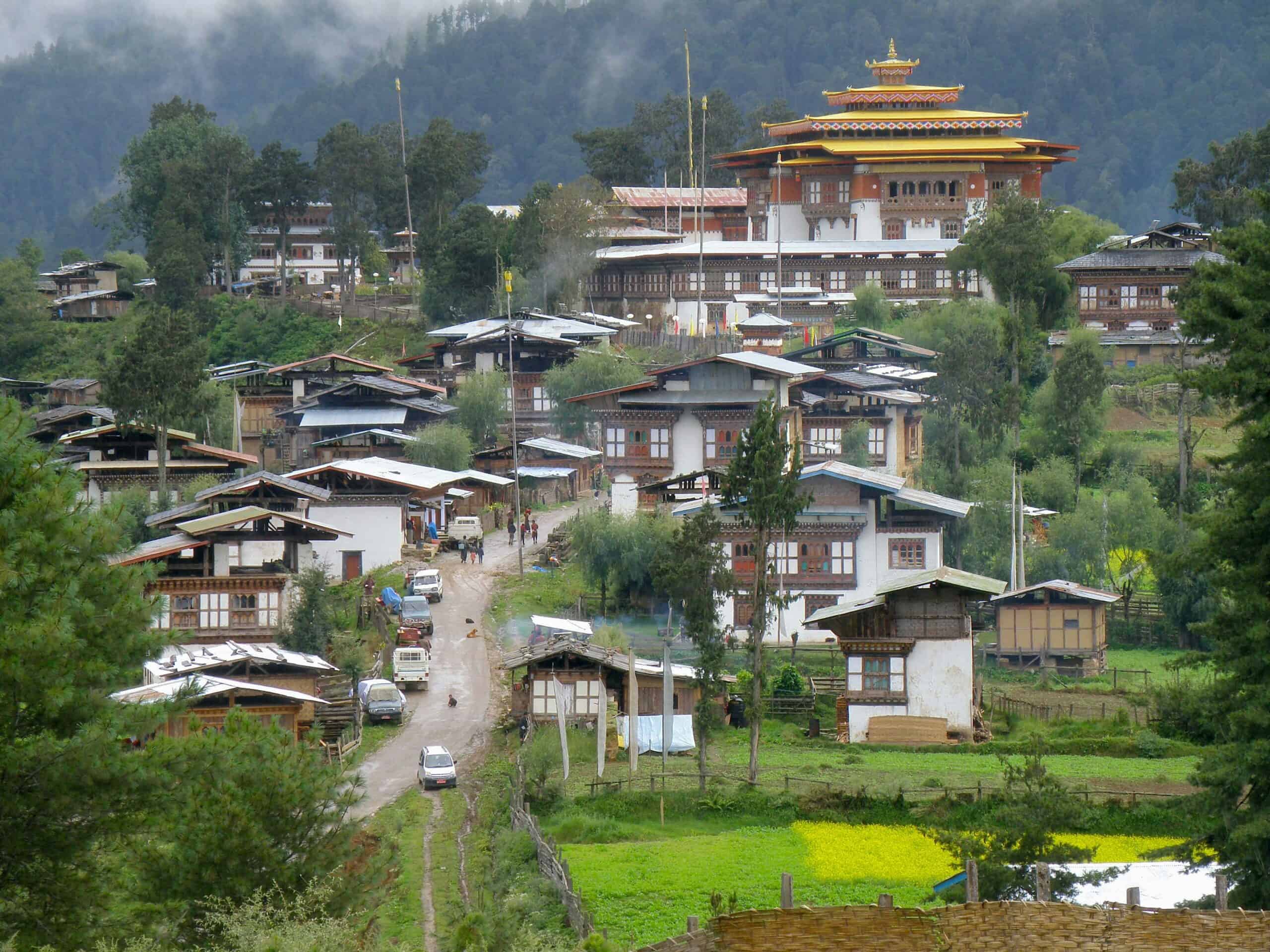
Phobjikha is a high glacial valley carved wide and flat by ancient glaciers, cradled between pine-covered ridges at 2,900 metres. It is one of Bhutan’s most extraordinary landscapes: a vast, bowl-shaped meadow of golden grass in autumn, ringed by dark forest and open to a sky that feels impossibly close.
The valley is most famous as the wintering ground of the globally vulnerable black-necked crane (Grus nigricollis). Each October, flocks of several hundred cranes migrate from the Tibetan Plateau to spend the winter in the warmth of Phobjikha’s wetlands, feeding on the marshy grassland until they depart in spring. The cranes are considered sacred by local communities, messengers from the divine, and the valley has been carefully protected from development to preserve their habitat.
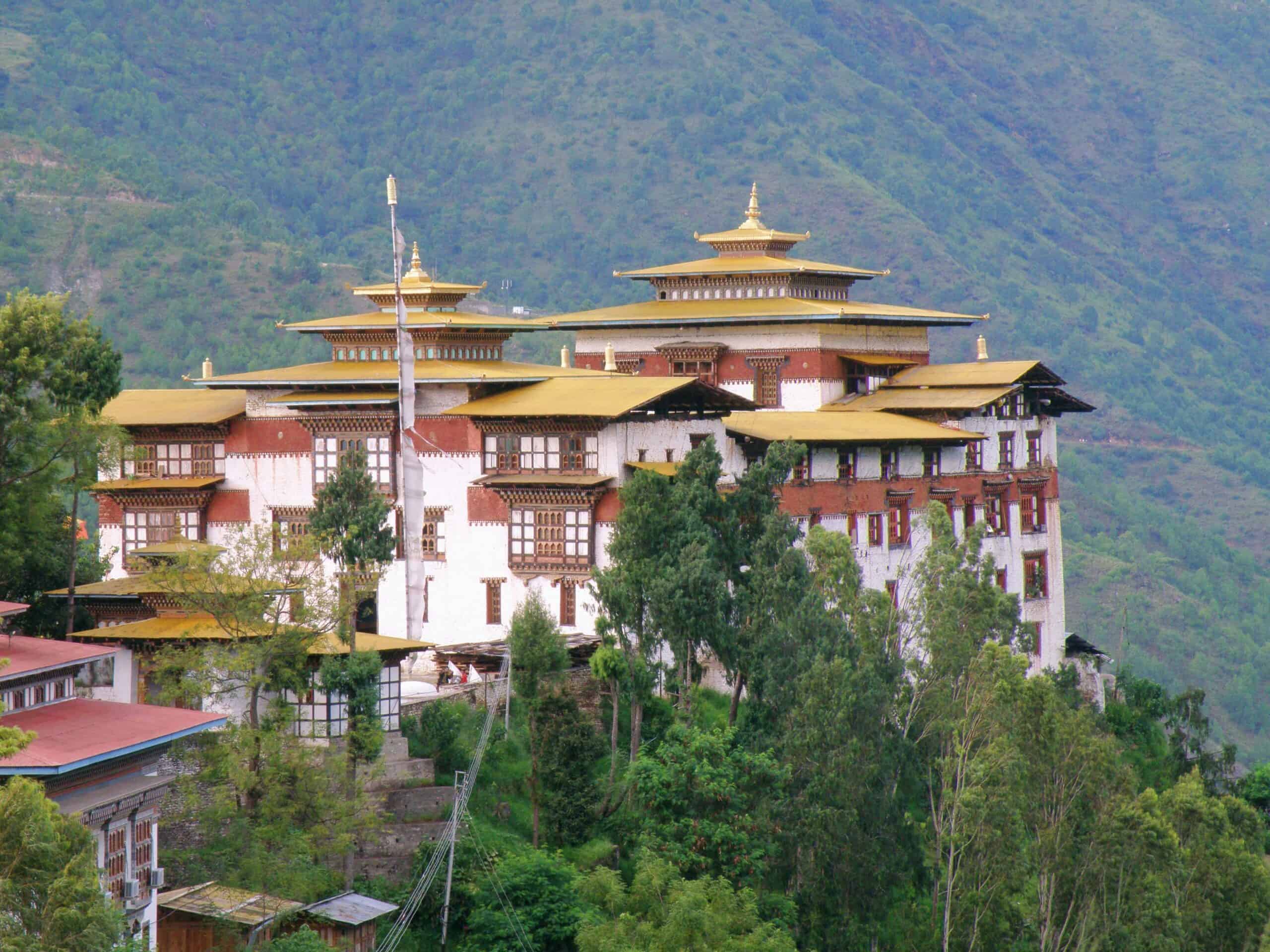
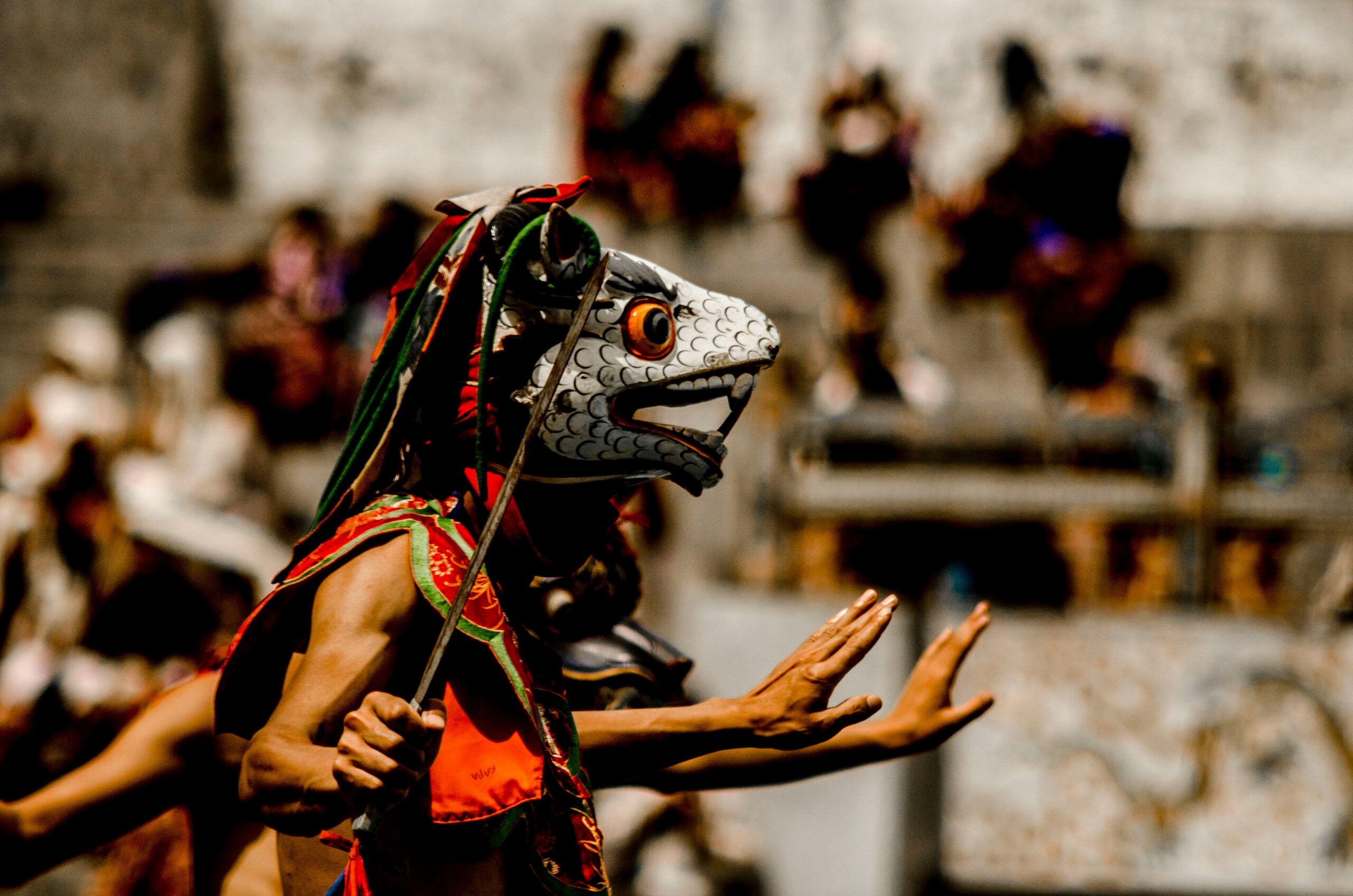
The Gangte Goenpa monastery watches over the valley from a wooded hilltop, its ochre and white walls visible from across the valley floor. Founded in the 17th century, it is the most important Nyingmapa monastery in western Bhutan. The annual Black-necked Crane Festival in November is held in its courtyard, with traditional dances and cultural performances celebrating the arrival of the cranes.
The valley is a paradise for slow travel: birdwatching walks along the wetland trails, farmhouse homestays, village cycling, and the gentle 5-kilometre nature trail that circuits the marshy valley floor. In the early mornings and evenings, the sight of hundreds of cranes flying in formation above the golden meadows is genuinely moving.