Gasa
Hot Springs · Gasa Dzong · Remote Himalayan Wilderness
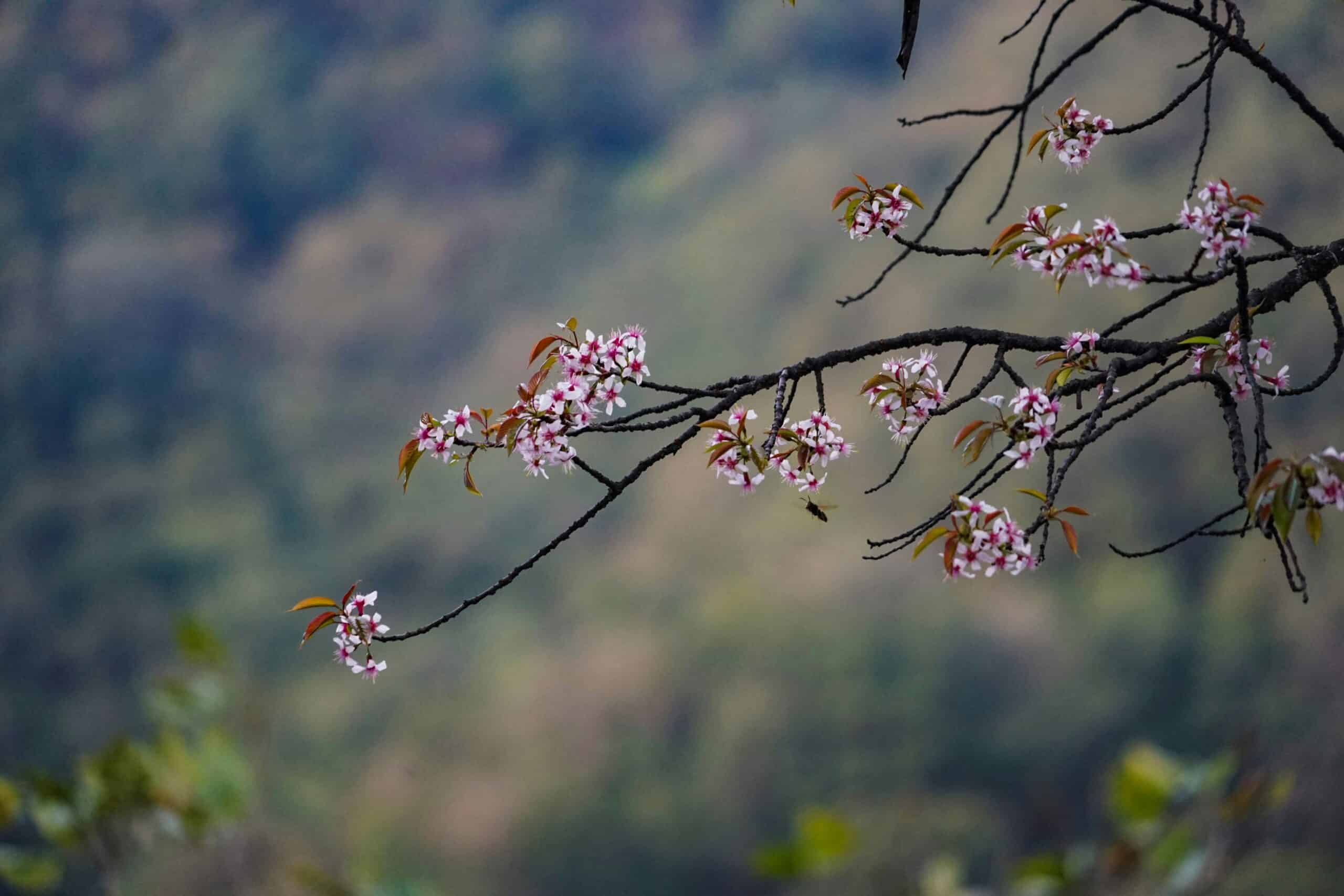
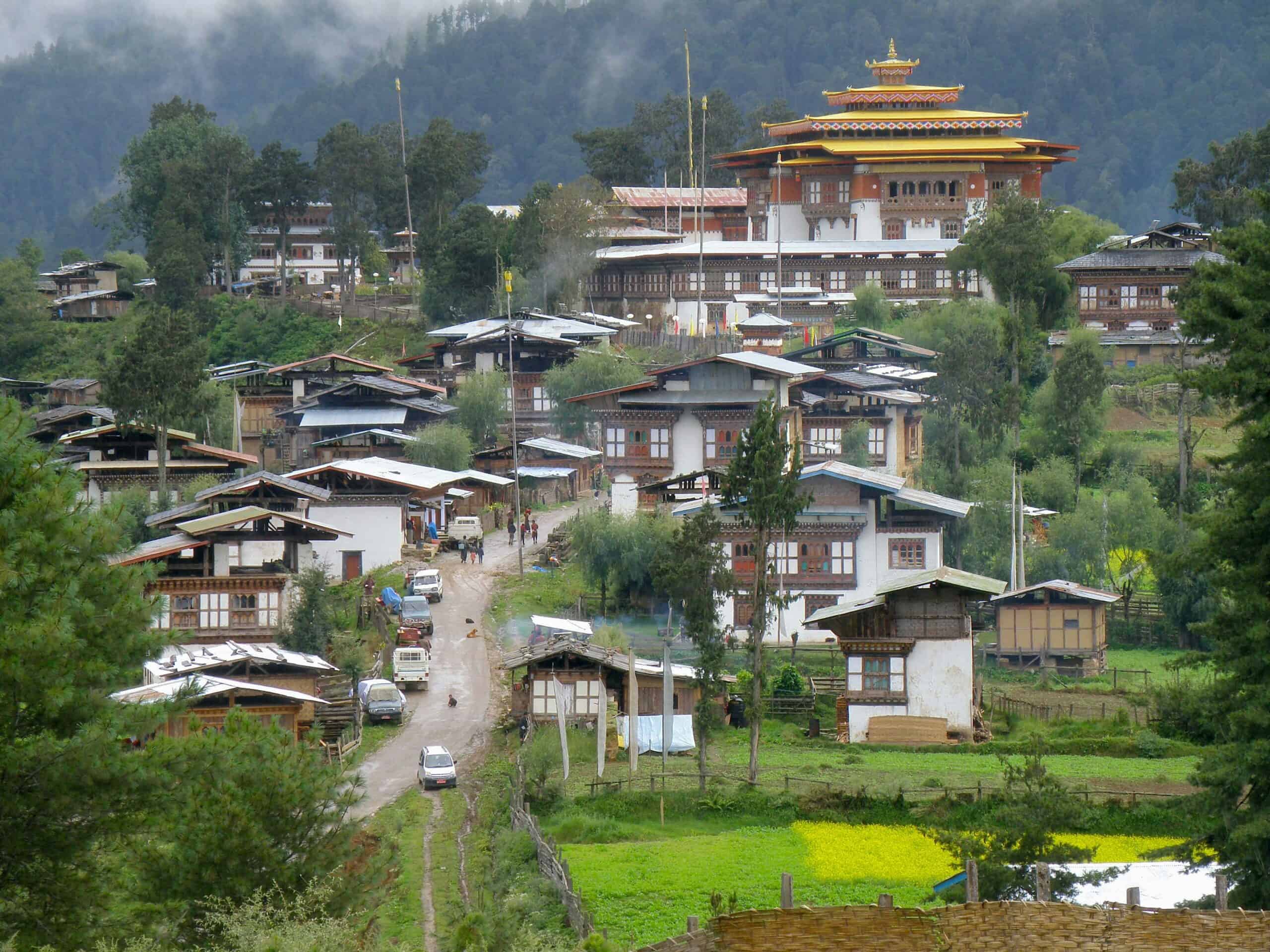
Gasa is Bhutan’s northernmost district: a remote and ruggedly beautiful landscape of high passes, deep gorges, alpine meadows, and Himalayan peaks that crowd the horizon. Reaching Gasa requires effort: a half-day drive north of Punakha followed by a trek, or a full day’s drive on a rough mountain road. That effort keeps tourist numbers low and rewards those who make the journey with an encounter with a Bhutan that feels genuinely untouched.
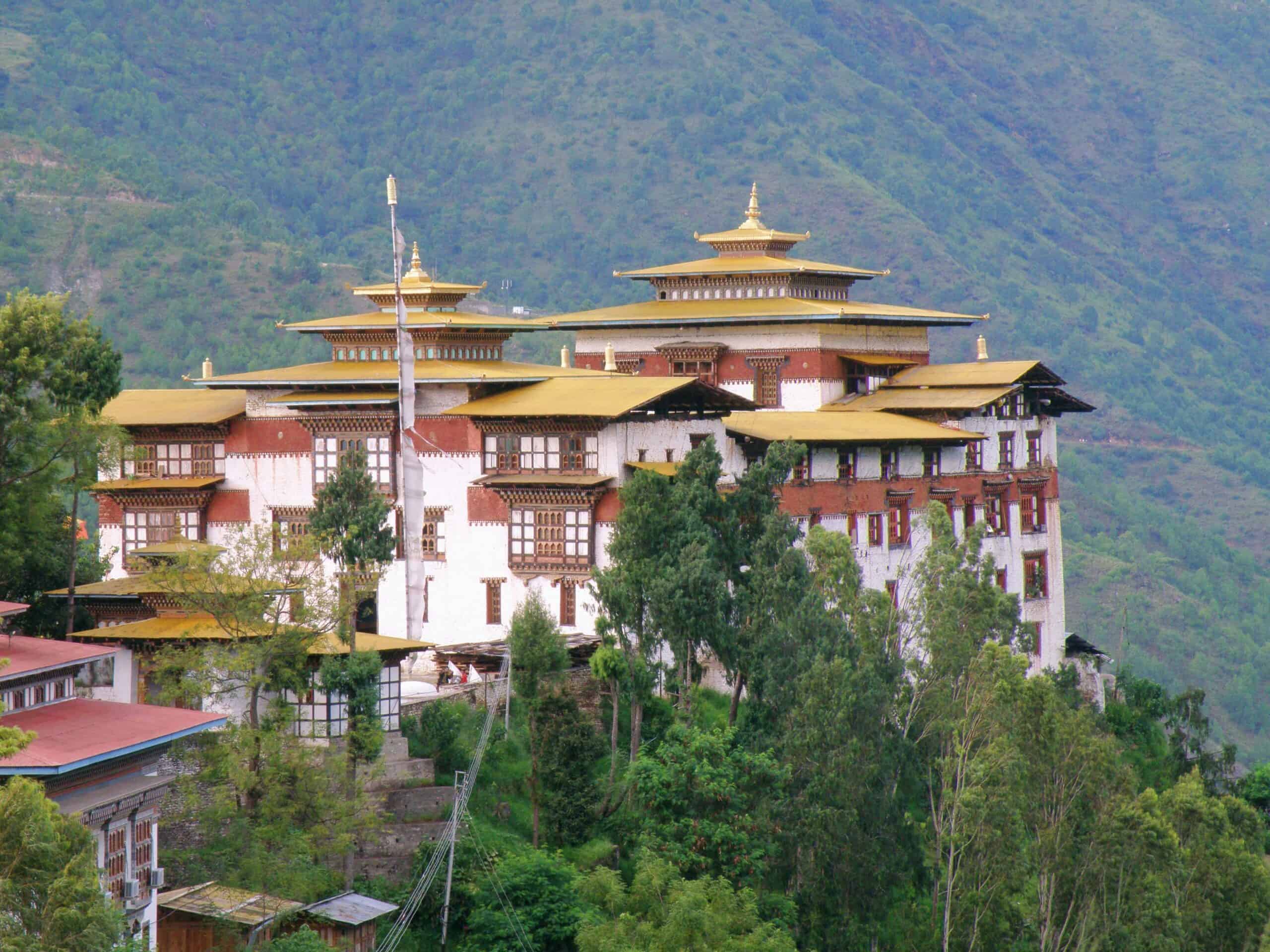
Gasa Dzong crowns a rocky promontory above the Mochhu River, its distinctive round towers, unique in Bhutan, visible from the valley below. The dzong was built in the 17th century to guard the northern approaches against Tibetan incursion, and it continues to serve as both a monastic and administrative centre. Its remote location gives it an atmosphere of solitary power that more-visited dzongs lack.
The Gasa hot springs (tshachu) are among the most celebrated in Bhutan: mineral-rich thermal waters flowing directly out of the hillside into stone pools at the valley floor. Used by locals for centuries to treat skin conditions and joint ailments, the springs are an extraordinary place to rest after trekking. The surrounding forest is lush with ferns and rhododendrons, and the sound of the river fills the air.
Gasa is the base for the Snowman Trek, one of the world’s most challenging and remote high-altitude trails, as well as the Laya-Gasa trek that passes through the settlement of Laya, home to a semi-nomadic community whose women wear distinctive conical bamboo hats. The district’s northern reaches border Tibet, and the landscape feels genuinely Himalayan: raw, vast, and humbling.