Haa
Hidden Valley · Lhakhang Karpo · Off the Beaten Path
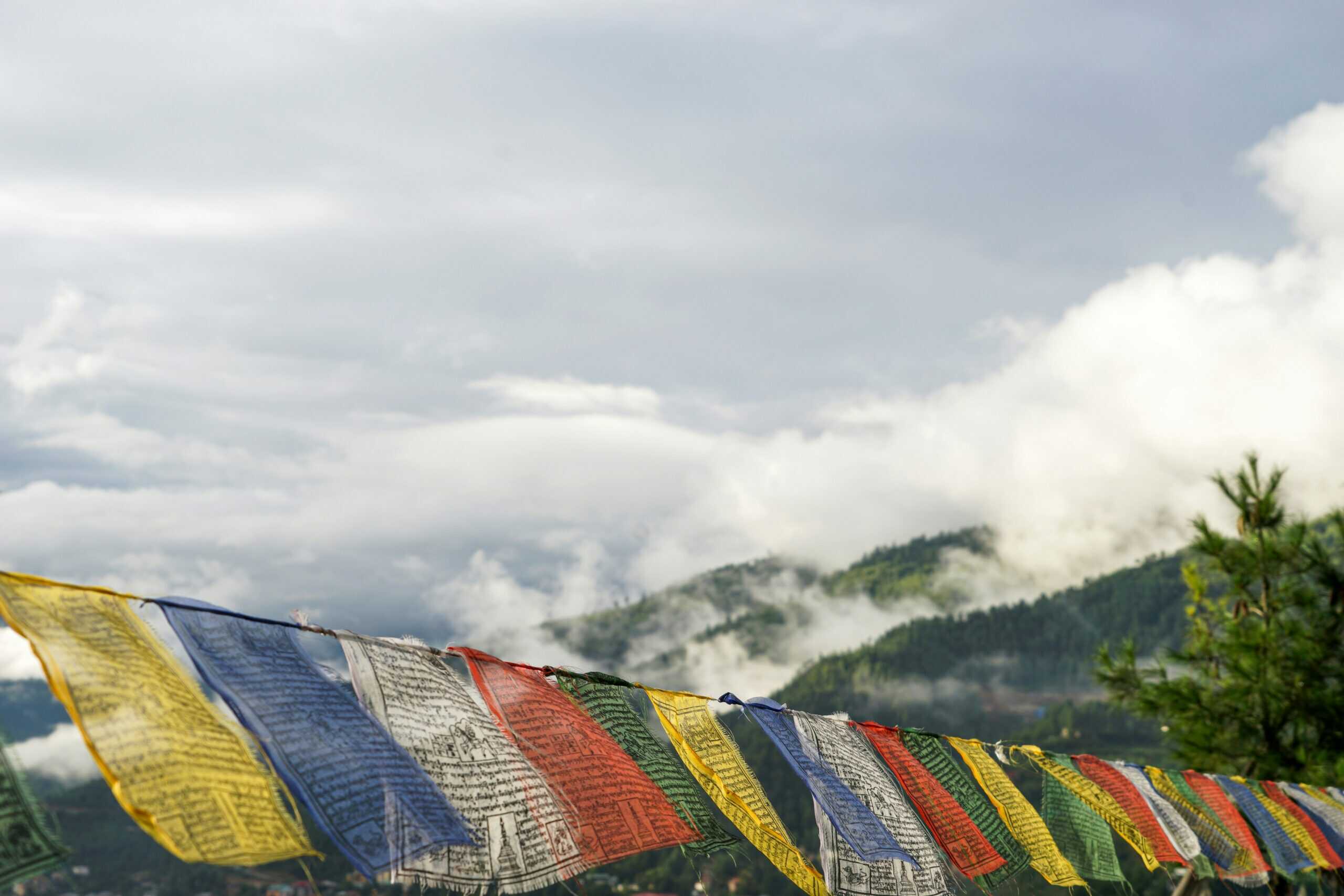
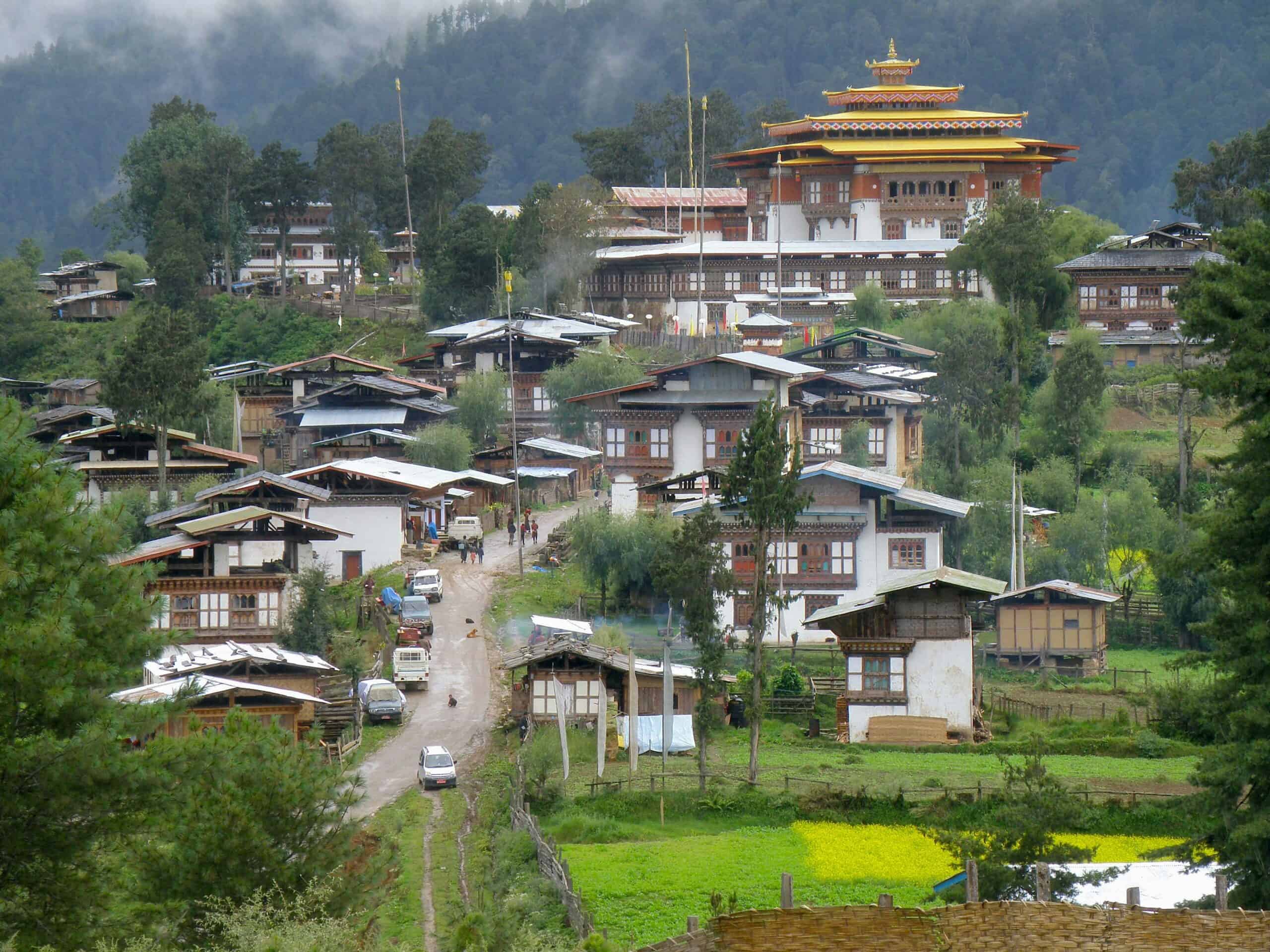
Haa is Bhutan’s best-kept secret: a deeply peaceful valley in the far southwest of the country that sees only a fraction of the visitors who crowd into Paro or Thimphu. Opened to tourism only in 2002 after decades as a restricted border zone, Haa has preserved a rawness and authenticity that feels increasingly rare in a rapidly modernising world.
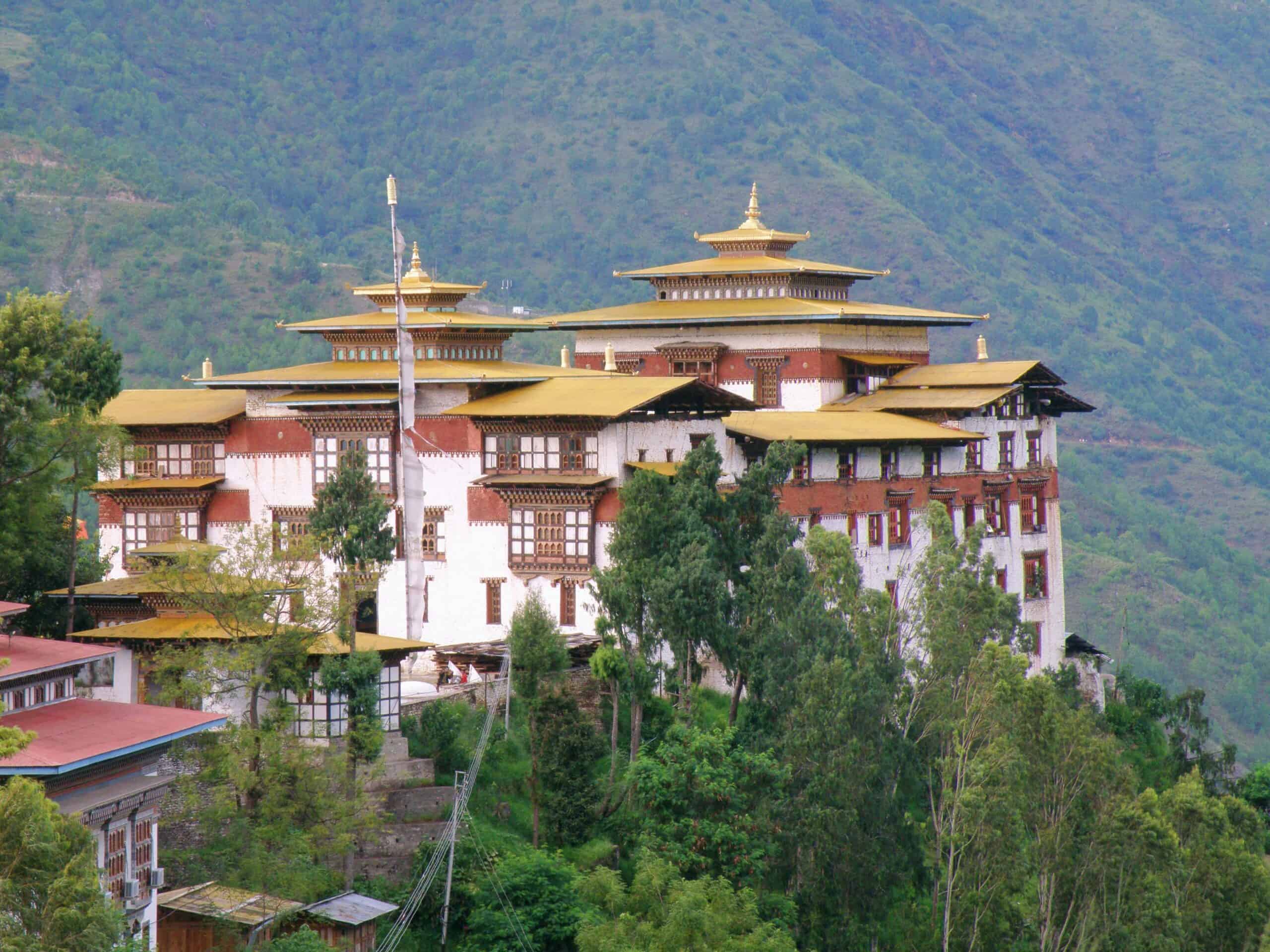
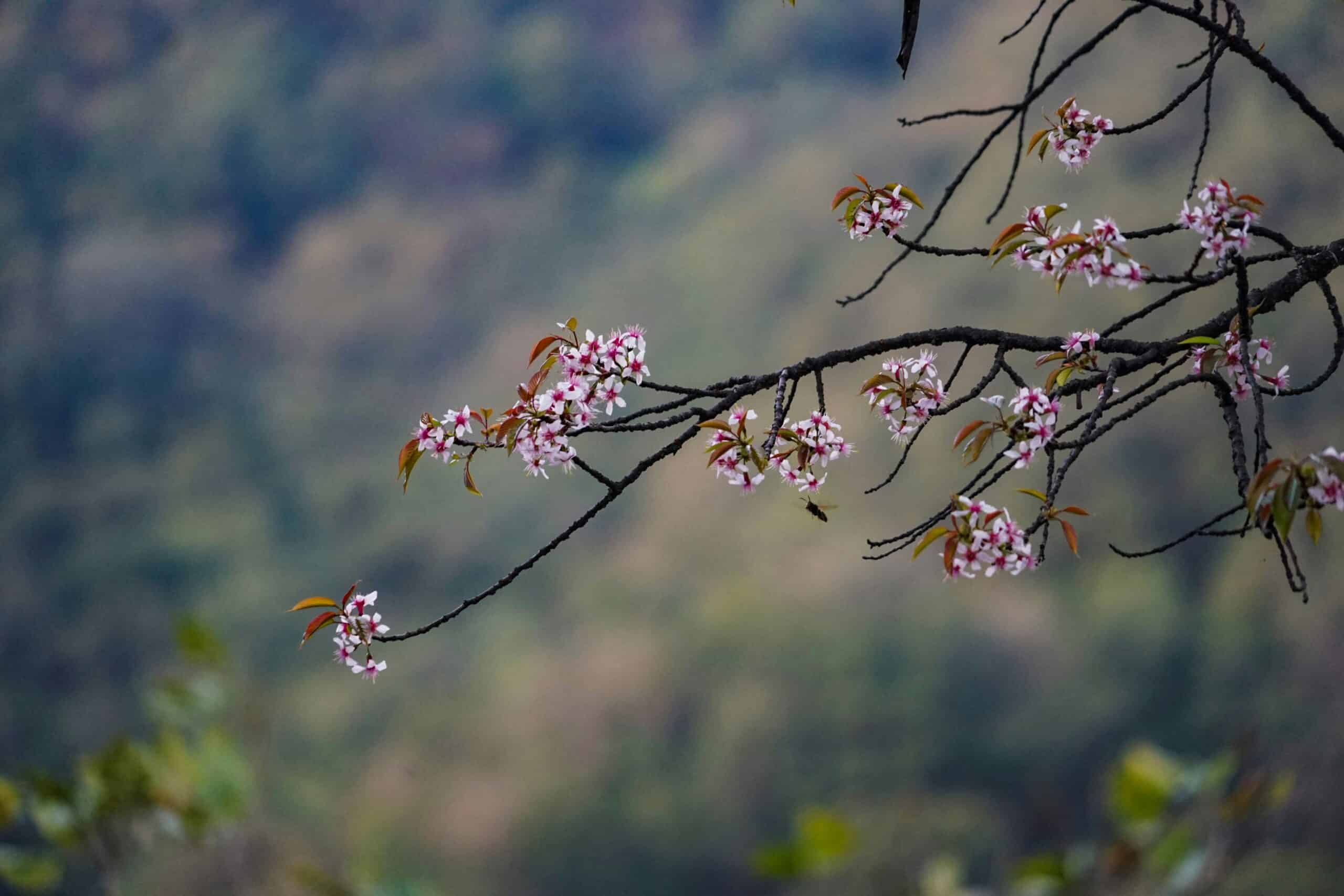
The valley is dominated by three hills known as the Rigsum Gonpo, representing the Buddhist trinity of Chenrezig, Manjushri, and Chana Dorji. Between them sit the black-painted Lhakhang Karpo (White Temple) and Lhakhang Nagpo (Black Temple), two of the oldest temples in Bhutan, their origins lost to antiquity. The surrounding countryside is deeply forested, with rhododendrons exploding into bloom in spring and the hillsides turning amber and gold in autumn.
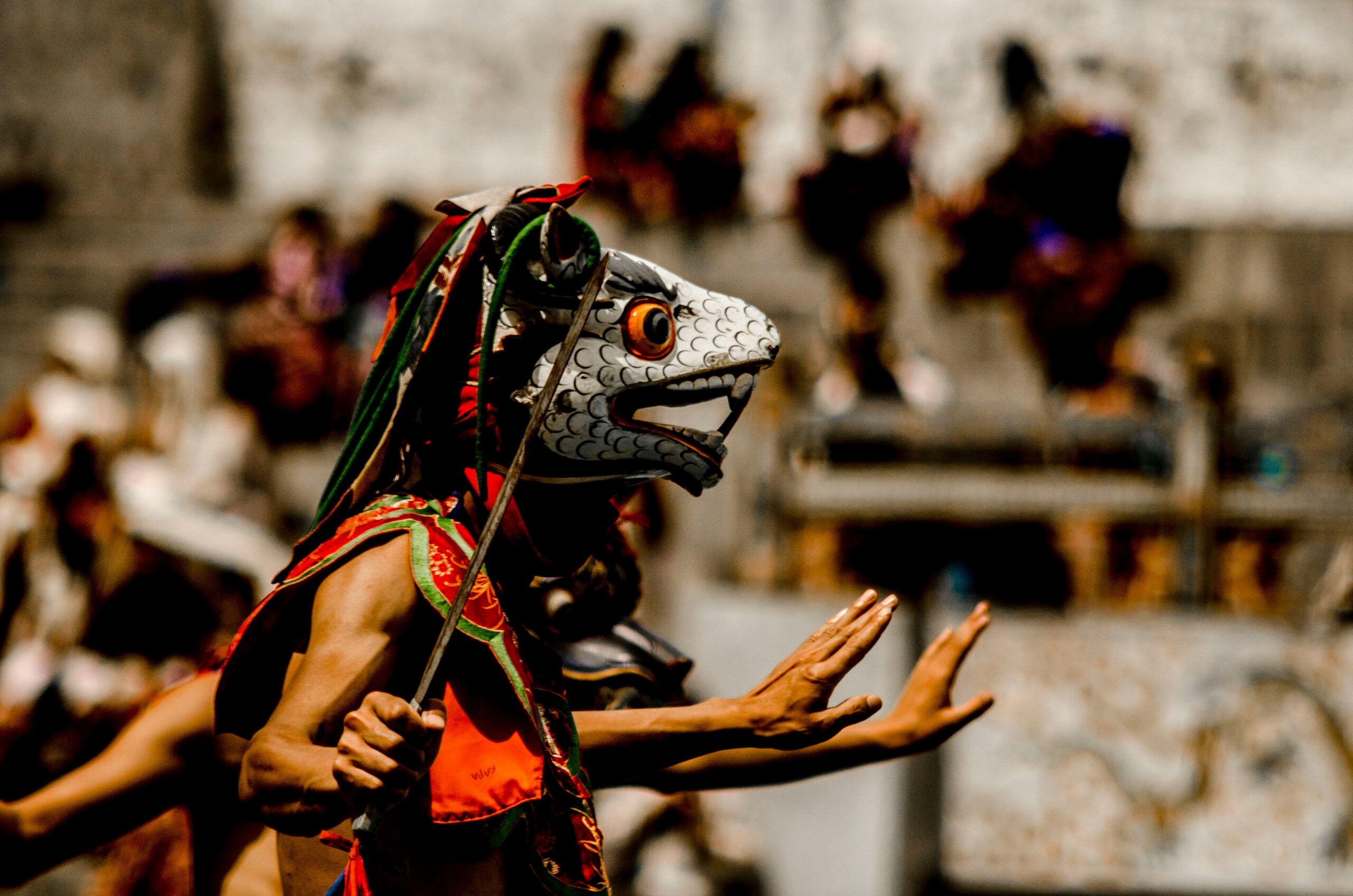
Haa valley life revolves around semi-nomadic yak herding and subsistence farming. The annual Haa Summer Festival, held in July, is a rare chance to witness local traditions, yak riding, archery, dress competitions, and traditional food, in a community that rarely performs for outsiders. It is one of Bhutan’s most genuine cultural events.
The valley offers superb trekking: the trails into the high Himalayan passes toward Paro are spectacularly wild, and Saga La pass (4,100m) offers views from Bhutan’s sacred landscape down to the Indian foothills on clear days. For those seeking solitude, mountain air, and genuine cultural encounters far from the tourist trail, Haa is without equal.