SDF Breakdown, What's Included & How to Budget Your Bhutan Trip
Bhutan Travel Cost Guide: How Much Does a Trip to Bhutan Cost?
Bhutan is not a cheap destination, deliberately so. The Sustainable Development Fee (SDF) of USD 100 per person per night ensures low-volume, high-value tourism. But what exactly is included, and how much should you budget beyond the SDF? This guide breaks down every cost.
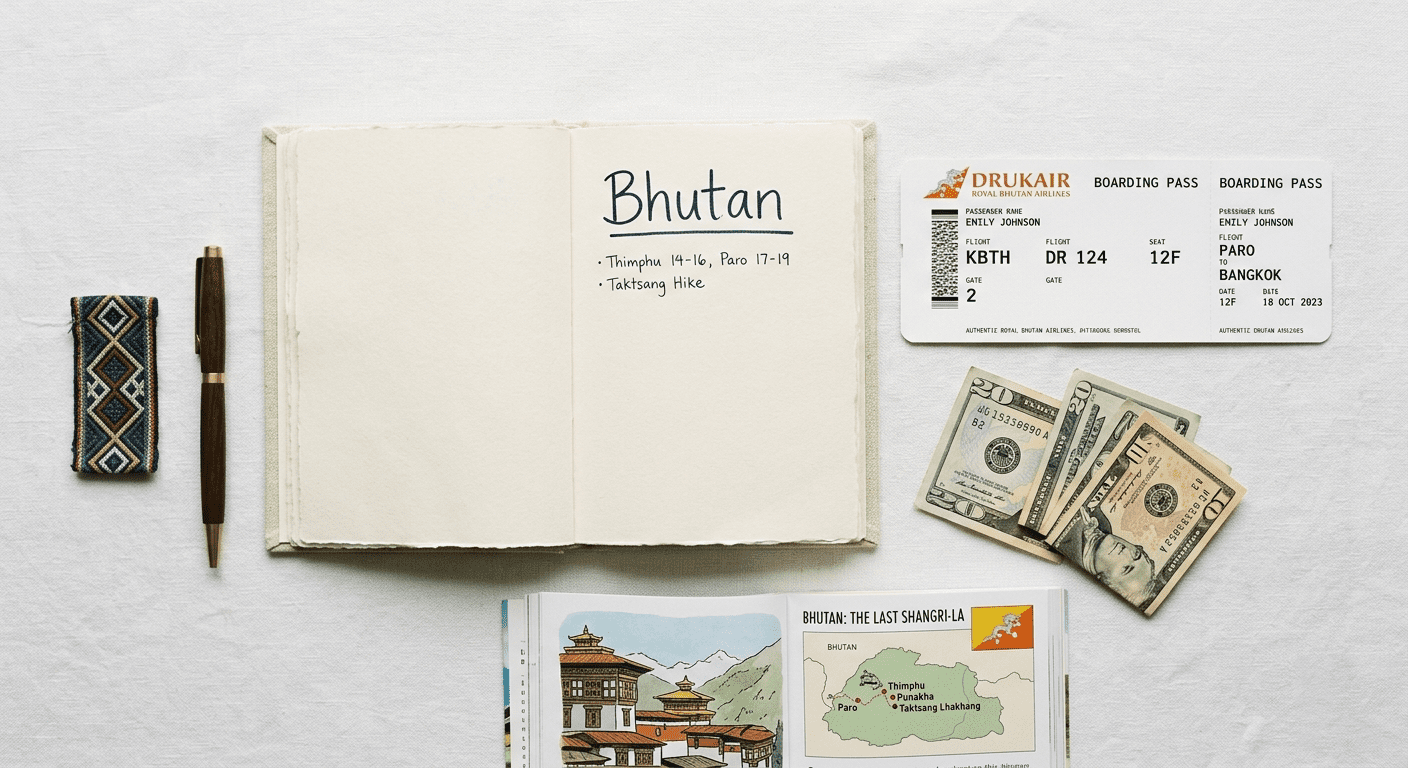
The first question every prospective Bhutan traveller asks is: how much does it cost? The answer is more nuanced than a single number, because Bhutan’s mandatory Sustainable Development Fee (SDF) covers more than most tourists expect, while several other costs sit entirely outside it. This guide breaks down every line item honestly.
The Sustainable Development Fee (SDF) Explained
Since September 2022, all foreign tourists (excluding Indian, Bangladeshi, and Maldivian nationals) pay a Sustainable Development Fee of USD 100 per person per night. This replaced the older minimum daily spend model that had been in place since the 1970s. The SDF is not a hotel tax or a park fee. It is a government-collected levy on all tourist nights spent in Bhutan, administered through your licensed tour operator.
The fee applies for every night you sleep in Bhutan, including nights spent on multi-day treks in tented camps. It does not apply to transit passengers at Paro Airport. Children under 5 are fully exempt. Children aged 6 to 12 pay 50% of the adult rate (USD 50 per night). Group discounts occasionally apply for parties of 11 or more and your operator will advise.
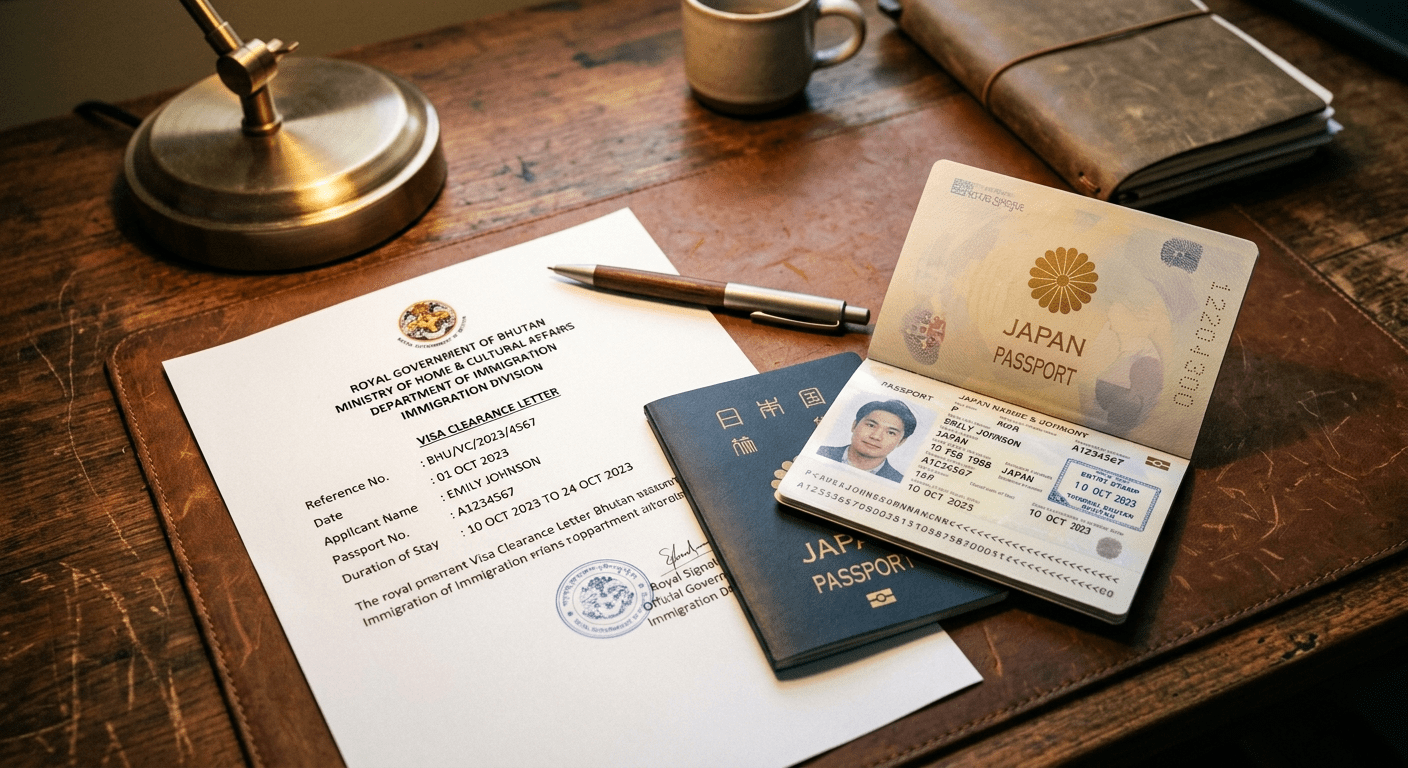
A separate tourist visa fee of USD 40 per person (single entry) is paid alongside the SDF as part of your operator booking. There is no additional visa application charge at an embassy or government portal.
What the SDF Includes
The SDF is described as a “high-value, low-impact” model and covers a substantial portion of your in-country costs. Specifically included in the SDF package (as of 2025) are:
- A licensed Bhutanese guide for the duration of your trip
- Government-approved accommodation at a minimum three-star standard
- All meals at your booked hotel (breakfast, lunch, and dinner)
- An air-conditioned vehicle with driver for all ground transportation within Bhutan
- All entry fees to monuments, museums, and cultural sites on your itinerary
In practice, your core daily experience, including guide, transport, accommodation, and meals, is pre-paid through the SDF. The variable costs you manage personally are relatively limited.
Additional Costs to Budget For
International Flights
The largest additional cost and the most variable. Druk Air and Bhutan Airlines are the only carriers authorised to fly into Paro International Airport. Return fares from Bangkok run approximately USD 400 to 900; from Delhi or Kathmandu, USD 250 to 600; from Singapore, USD 500 to 950. Prices spike significantly during festival season, especially Paro Tsechu in March and April. Book as early as possible, as Druk Air seats sell out months ahead for peak dates.
Operator Service Fees
Charged by your licensed tour operator on top of the SDF. These vary by operator, group size, season, and itinerary but typically range from USD 65 to 150 per person per day for a standard cultural itinerary. Premium operators or highly customised itineraries charge more. Always request a full cost breakdown covering SDF, operator fee, and flights in your quote.
Personal Spending
Alcohol (not covered by the SDF), souvenirs, craft items, tips for your guide and driver, and any personal snacks or drinks beyond hotel meals. Budget USD 25 to 50 per day for comfortable personal spending.
Tipping
Not mandatory but widely appreciated and now standard practice with international tourists. The generally accepted range is USD 10 to 15 per day for guides and USD 5 to 10 per day for drivers, paid at the end of your trip.
Optional Activity Upgrades
Trekking permits for multi-day routes, river rafting, premium hotel upgrades beyond the included three-star standard, helicopter charters, and cultural experiences such as archery lessons and cooking classes are all priced separately.
Is Bhutan Worth the Cost?
The honest answer depends on what you value in travel. Bhutan is one of the very few remaining places on earth where mass tourism has been structurally prevented by design, not just by geography. The SDF system means that tourist sites are genuinely uncrowded, your guide has real time to explain what you are seeing, and the monasteries and dzongs retain their spiritual atmosphere rather than becoming theme park attractions.
Compared to equivalent high-quality guided experiences in Nepal, India, or Southeast Asia, where a licensed guide, private vehicle, and good hotel accommodation are budgeted separately, Bhutan’s all-in model is not dramatically more expensive for the quality delivered. The comparison breaks down at the bottom of the market: there is no budget backpacker option in Bhutan, and that is entirely deliberate.
How to Keep Costs Down
Travelling outside peak festival season, particularly avoiding Paro Tsechu week, cuts flight and accommodation costs significantly. Hotel prices in Paro during festival week can triple. Travelling in a group of four or more reduces per-person operator fees. Choosing a mid-range operator over a premium luxury brand saves money without compromising the mandatory guide or included transport. Winter travel (December to February) carries the lowest demand and often the most negotiable operator rates.
A minimum recommended itinerary of five nights covers the western circuit (Thimphu, Paro, Punakha) comfortably. Shorter stays feel rushed and do not justify the international flight cost. Eight to ten nights allow central Bhutan (Bumthang) to be added, which most experienced Bhutan travellers consider the cultural highlight of the country.
Frequently Asked Questions
How Much Does a Trip to Bhutan Cost in Total?
For a mid-range eight-day itinerary including the SDF (USD 100 x 7 nights = USD 700), operator service fee (approximately USD 700 to 900), tourist visa (USD 40), and return flights from Bangkok (approximately USD 600 to 800), the total per-person cost runs USD 2,200 to 3,500 depending on season, group size, and operator. This is for a single traveller. Travelling as a couple or small group reduces per-person costs by 15 to 25% due to shared vehicle and operator overhead. Luxury operators and festival-season travel push the total higher, and USD 4,000 to 6,000 per person is realistic for a high-end trip during peak season.
What Does the Bhutan SDF Cover?
The SDF of USD 100 per person per night covers your licensed Bhutanese guide, government-approved three-star minimum accommodation, all meals at your hotel, a private vehicle with driver for all in-country ground transport, and entry fees to all standard tourist sites on your itinerary. It does not cover international flights, alcohol, personal shopping, tips, trekking permits for technical routes, or room upgrades to four or five-star properties, though the accommodation standard can be upgraded at additional cost through your operator.
Is There a Cheaper Way to Visit Bhutan?
Not for most nationalities. The SDF and the licensed guide requirement are mandatory legal requirements, not optional extras. Indian, Bangladeshi, and Maldivian nationals operate under different permit rules and are not subject to the SDF, making Bhutan significantly more accessible for them. For all other nationalities, the USD 100 per night SDF is non-negotiable. The only legitimate ways to reduce total cost are travelling in low season, travelling in a group, choosing a mid-range operator, and keeping your stay to the minimum that achieves your travel goals. There is no visa-on-arrival, no independent travel option, and no legal way to visit Bhutan without a licensed operator for most passport holders.